Share This Story
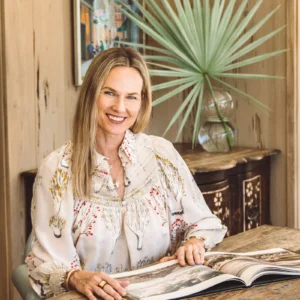
Jamie Rich is preparing for the conservation issue of Flamingo. Photography courtesy of Kristen Penoyer
Floridians are hardwired into thinking that oranges are synonymous with our state. Every time you get in your car, there they are, stamped on the back of someone’s license plate. And we’ve all seen the tacky billboards along Interstate 95 for Florida Citrus Centers promising bags of fresh Florida oranges and a chance to ogle baby alligators.
One of these citrus centers sits not too far from my house at the I-95 exit near St. Augustine. The bright sign along with the fake fruit stands bearing stacks of painted wooden oranges out front could fool most passersby into thinking there are bushels of fresh-picked oranges waiting inside. In reality, these dressed-up gas stations sell more orange-flavored bubble gum, sea-shell mobiles and souvenir shot glasses than Florida Honeybells.
Even at Publix, I’d be hard pressed to remember a time when I bought an orange that wasn’t bearing a “product of Mexico” sticker. That’s because the iconic industry that once blanketed Central Florida in sweet orange-blossom perfume every spring is now on the brink of extinction, and very few Floridians are aware of just how bleak the situation is.
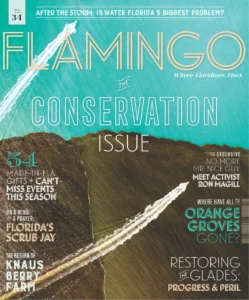
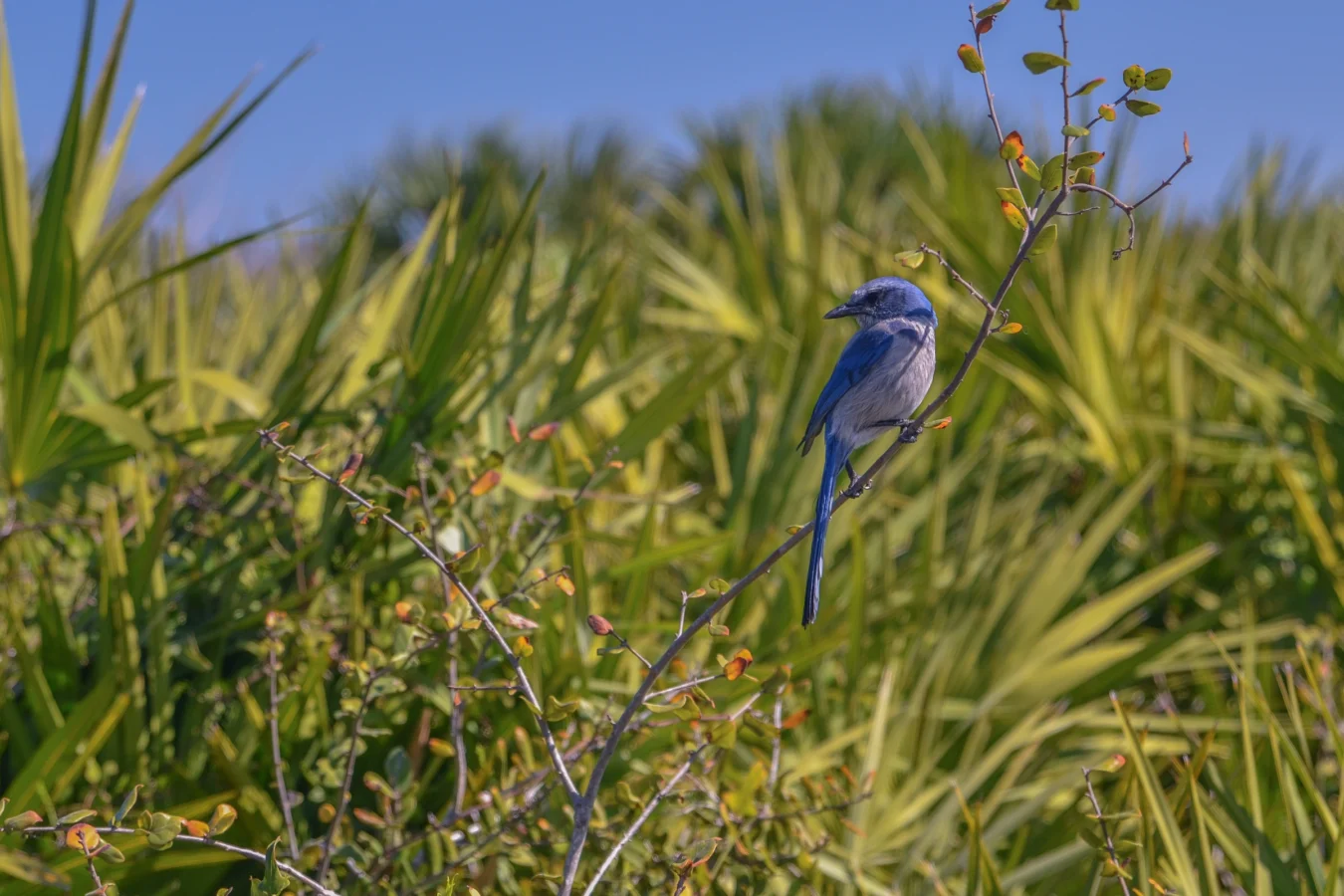
Inside this issue, we take you into one of the last remaining orange groves with the McLean family of growers, who you may know from Uncle Matt’s organic orange juice. The McLeans have been at the heart of the industry for generations, weathering the disease-induced die-off and searching for solutions—determined not to let the last orange fall from the limb. Then we head down the road to hike into Central Florida scrubland and meet the friendly Florida scrub jay, threatened by encroaching development, to understand why the state’s only endemic bird and its unassuming habitat are so important. Down south, we meet wildlife expert Ron Magill, who became a Miami legend a few years ago when he raised hell over a proposal to build a water park next door to Zoo Miami—where he worked—that would have destroyed a parking area inhabited by a group of Florida’s endangered bonneted bats. Ever the activist, today Magill has a new cause: designating the American flamingo as Florida’s official state bird.
Like Magill, many community stewards across the state are compelled to use their talents to speak out about our wildlife and ecosystems—some of them in less obvious ways than others. One of those quiet conservationists is photographer Cavin Brothers, whose photograph landed on the cover of this edition after it was selected by a panel of expert judges in our Coquinas photography contest. Brothers’s aerial photo of Venice Inlet near his home in Sarasota tells a dramatic story about the precarious state of Florida’s waterways. In it, the bright blue bay is overtaken by a plume of polluted hurricane storm surge as the urgent wake of boaters slices across. It’s a striking and beautiful image of an ugly reality. Water, like the orange, is a deceivingly endless resource that we take for granted, but one that is constantly under pressure from our state’s aggressive growth.
In putting together our inaugural conservation issue, it was hard to narrow down the stories we would highlight. The threats facing Florida are many, but so are the people working to protect it. The stories in these pages offer plenty of reason for hope, along with a reminder that what we think of as Florida might not align with reality. What we fail to see is what we stand to lose.
For generations of Floridians, the orange put the sun in our Sunshine State. And while not all hope is lost for this beloved icon or the other wildlife and ecosystems at risk of permanent loss, we need to pay attention to what is happening to the real Florida around us and engage in ways big or small. Hike the state park, photograph the storm, join the protest or simply read this magazine. You might find your new purpose.
For more Editor’s Notes from Jamie Rich, click here