Miami’s Ron Magill Is a Man on a Mission
When it comes to conservation causes, Ron Magill calls it like he sees it—and all of South Florida pays attention.
In the 46 years he spent working at Zoo Miami, Ron Magill shot thousands of pictures of animals—giraffes and elephants and bears, oh my! But the one that really grabbed everyone’s attention was the one with all the flamingos.
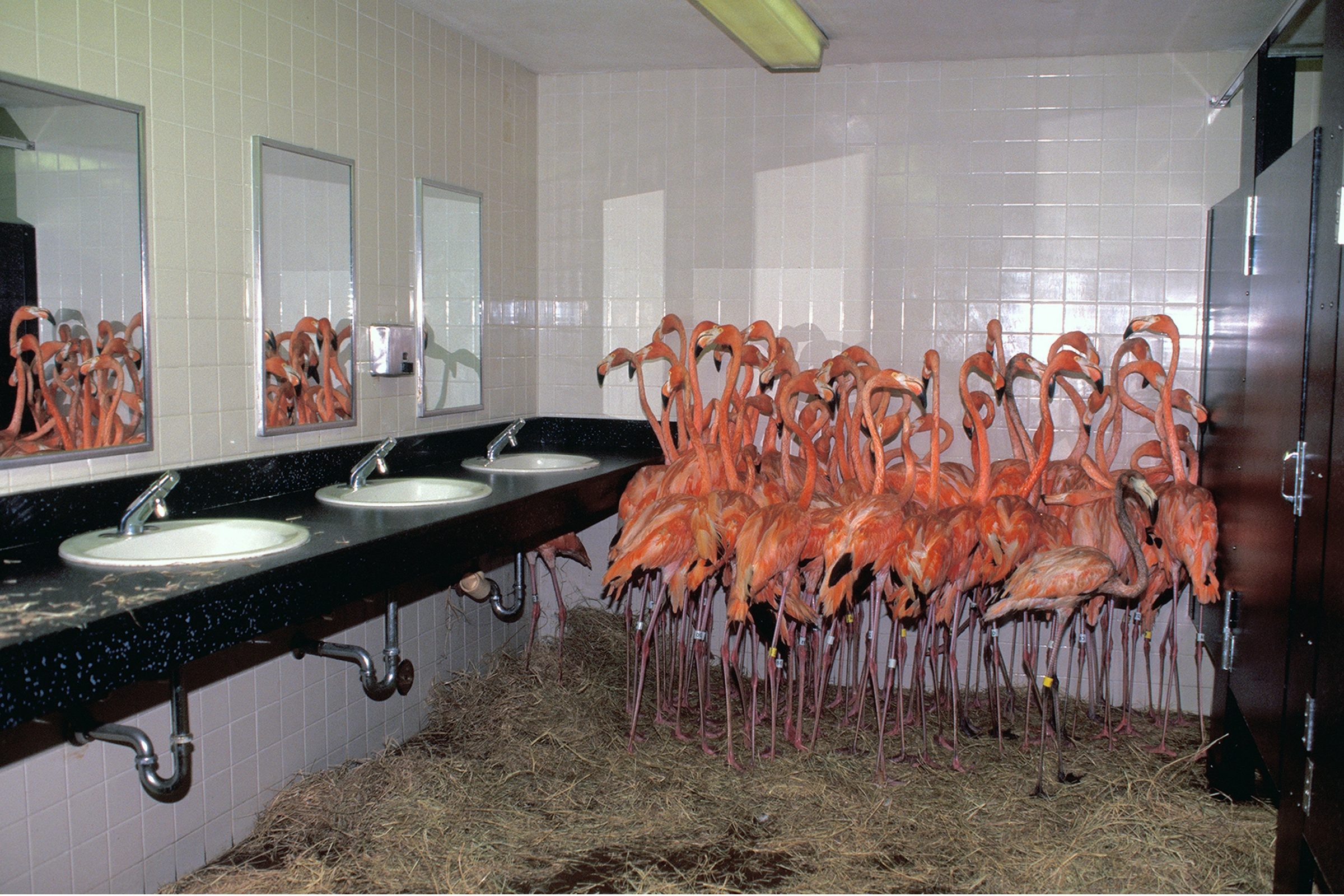
This happened in 1992. Hurricane Andrew—a Category 5 storm—loomed just offshore, about to clobber South Florida. The zoo animals needed a safe place for shelter, so the keepers put their flock of flamingos in a public restroom.
“We couldn’t leave them out in their lake,” Magill recalls. “In hindsight, it probably saved their lives.”
Magill frequently used big Nikon cameras with zoom lenses to document zoo life. But on this day, all he was carrying was a small point-and-shoot camera. He thought seeing the flamingos crowded into a tile-covered restroom was funny, so he snapped three photos.
Later, after Andrew had left a swath of devastation across South Florida, Magill got a call from a wire-service photo editor in New York. The editor was looking for images of something other than wrecked houses and stranded boats. Did Magill have any pictures that might reflect how the zoo handled the hurricane?
Magill sent him the flamingo photos. In those pre-internet days, they went as viral as photos could. The Miami flamingos appeared in Newsweek and other national publications, a bit of colorful quirkiness amid all the death and destruction. Magill heard from friends that his photos were in newspapers and magazines as far away as Brazil and Kenya.
Now that he’s retired, is it any wonder that Magill’s next project involves flamingos?
Miami’s Dr. Dolittle
Magill is an unfamiliar figure in Pensacola, Jacksonville and Orlando. But in Miami, Magill is probably the biggest celebrity who hasn’t played sports, launched a music career or been indicted for public corruption.
For more than four decades, he’s been appearing on South Florida TV to tout the importance of wildlife conservation and extol the virtues of his longtime employer, Miami-Dade County’s Zoo Miami. Think of him as a modern version of dweeby Marlin Perkins from “Mutual of Omaha’s Wild Kingdom,” but with the rugged good looks of a Golden Age Hollywood star.
He wrangled Elvis the alligator and other critters for “Miami Vice,” appeared repeatedly on the Spanish-language variety show “Sábado Gigante” and has been a frequent guest on “Good Morning America.”
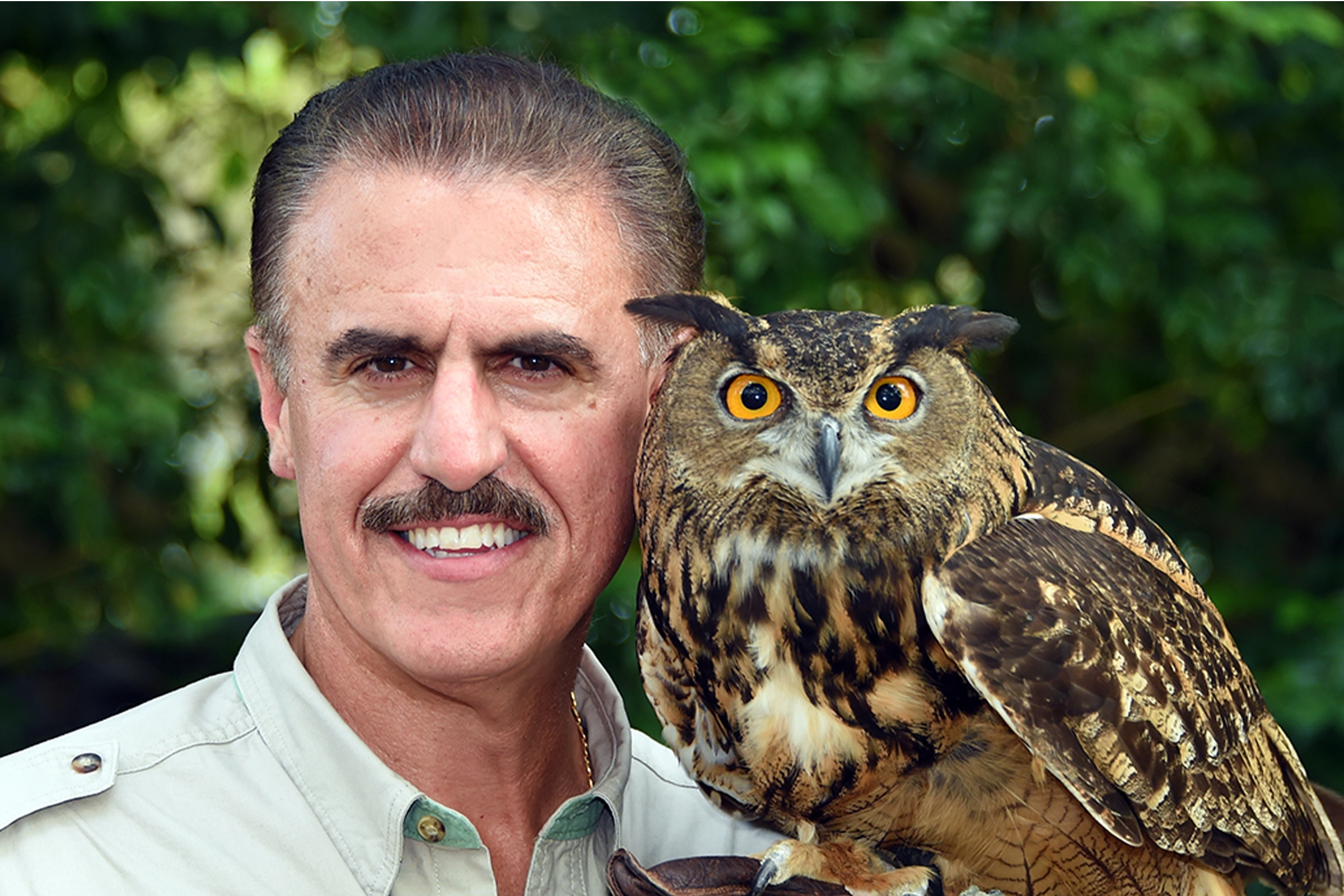
The Miami Herald has called him “Miami’s Dr. Dolittle,” writing that he’s “an animal advocate, prize-winning photographer, Emmy-winning TV and radio star, founder of his namesake conservation organization, the tallest Cuban in Miami (according to his friends) and one of South Florida’s most recognizable and beloved personalities.”
He says it all started with a squirrel.
Fast Friends
His father was a Cuban immigrant who made a living as a carpenter. His mother was a mix of Colombian and German genes. The family lived in New York when Magill was born. His language at home was Spanish, but when he went to school, his classmates spoke English.
Magill was tall and awkward. Children can be cruel to anyone who seems different. They taunted Magill for his size, calling him “Lurch” (after the “Addams Family” butler) and “Magilla Gorilla” (after a cartoon ape). When lunchtime came, he would go out into the schoolyard to get away from the cruel jokes.
One day, a squirrel approached him. Magill had some peanuts in his lunch pail, so he offered them to the squirrel.
“He came up and ate out of my hand,” Magill recalls. This interaction became routine. “He became my friend. The squirrel didn’t judge me. He didn’t call me names. I needed that.”
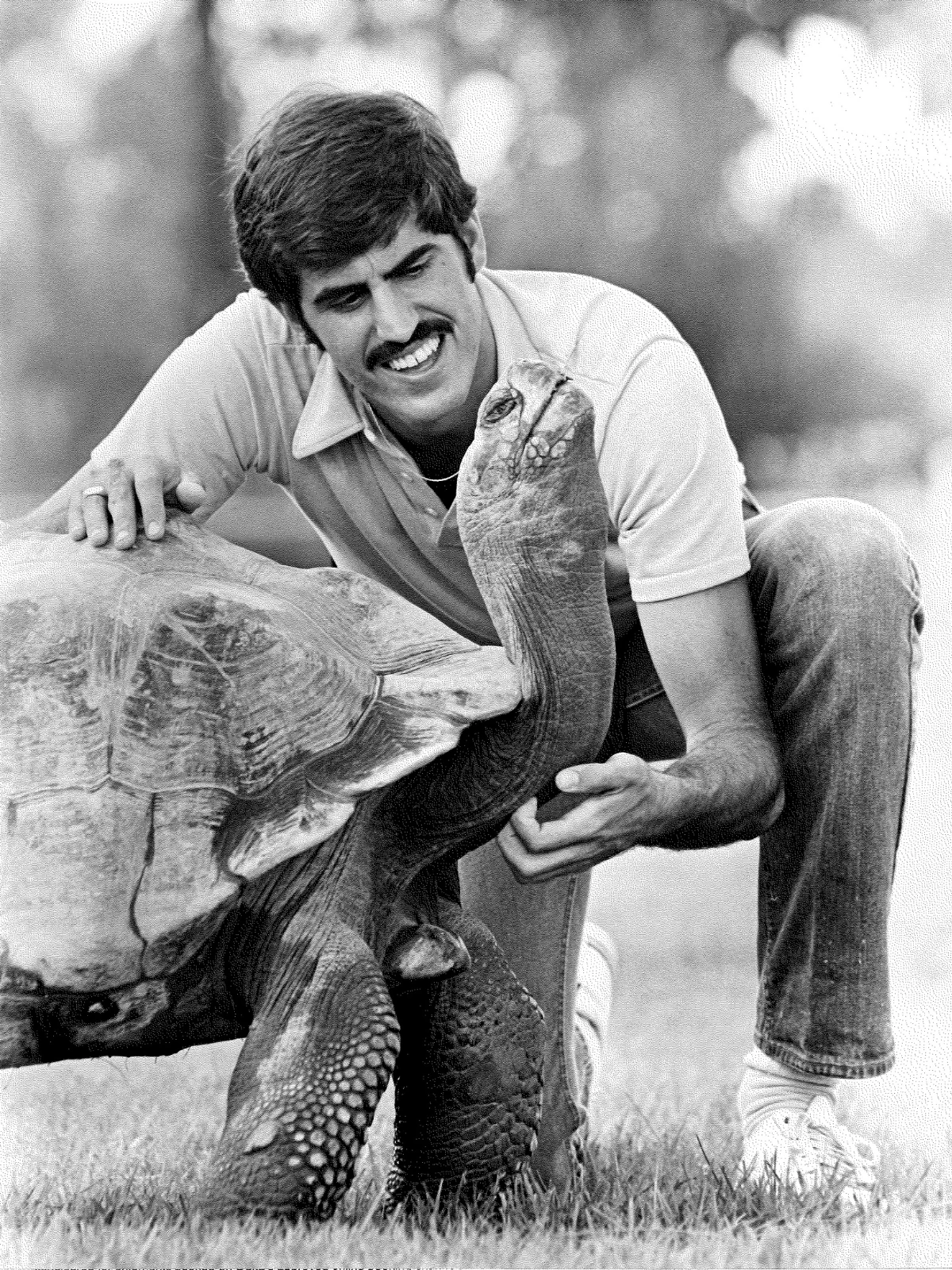
Magill’s mother often took him to the Bronx Zoo and the Museum of Natural History, furthering his love for animals.
He became my friend. The squirrel didn’t judge me. He didn’t call me names. I needed that.
When he was 12, Magill’s family moved to the Miami area. They bought a 5-acre parcel in Redland, which is full of farms, groves and orchards. His father built his dream home, raised avocados and mangoes and acquired a few cattle and a horse. Those animals, too, became Magill’s friends.
At 6 feet, 7 inches tall, Magill became a high school basketball star known for his 360-degree slam dunk. During the summer, he worked at the Miami Serpentarium, where founder Bill Haast taught him to read reptiles and handle them properly.
At the University of Florida, Magill started out studying to become a veterinarian. Then he took his first chemistry class.
“That’s when I realized I needed a Plan B,” he says. “I was a farmer’s son, so I grew up raking and shoveling poop.”
It was the perfect preparation for working at a zoo.
From the Ground Up
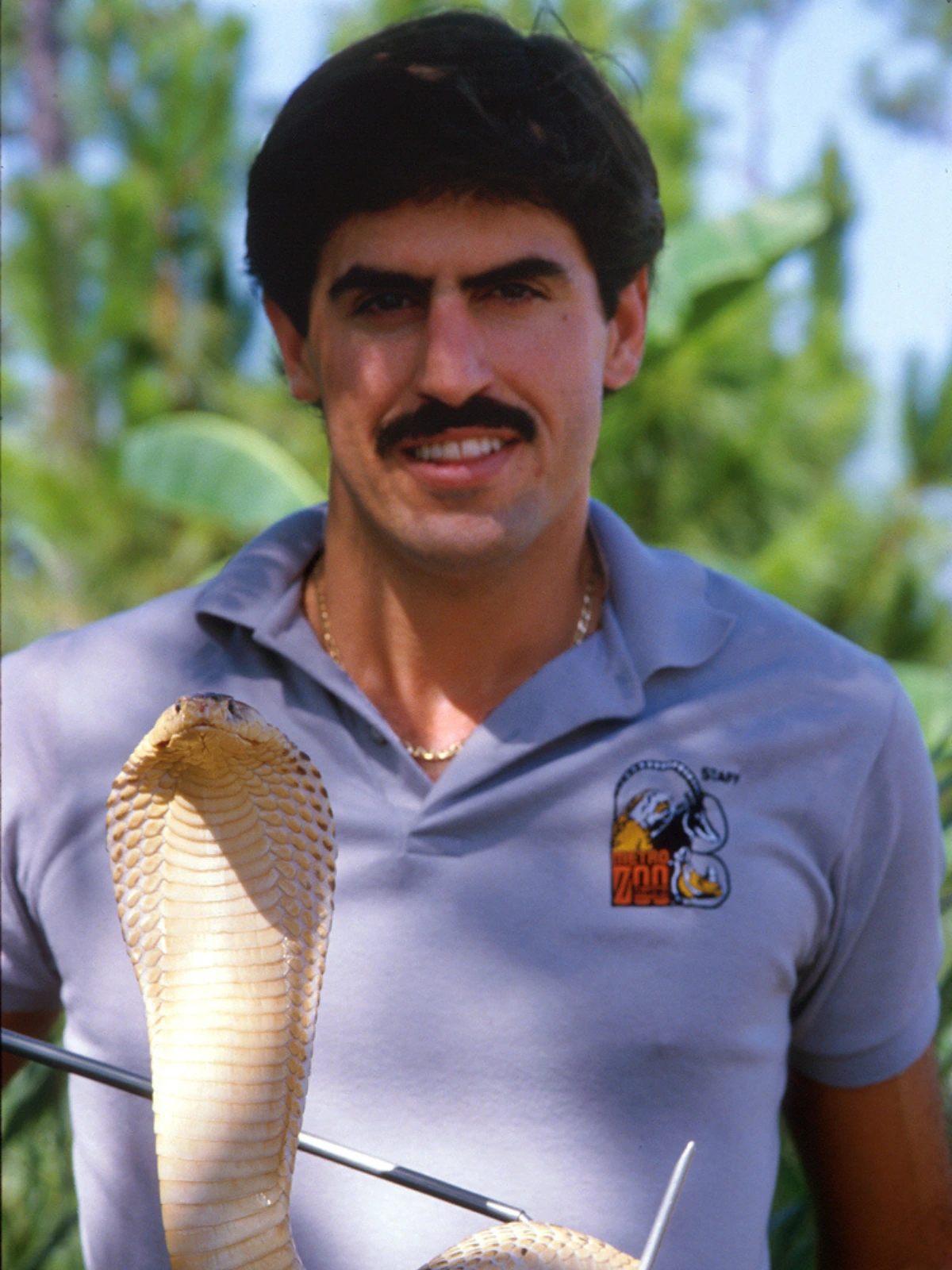
When Magill started at the Miami zoo in 1980, the place was viewed as little more than another Florida roadside attraction.
In fact, it was replacing a roadside zoo: the old Crandon Park Zoo on Key Biscayne, created in 1948 when a traveling animal show traded three monkeys, a goat and two black bears for truck repairs.
Turns out building a zoo on a low-lying island was a bad idea. Hurricane Betsy killed about 250 of Crandon Park Zoo’s animals in 1965, exposing the site’s vulnerability to hurricanes as well as other safety concerns. The search began for a better spot, and in 1970 county officials found one: an old U.S. Navy base. Construction of the new zoo began in 1975. In contrast to Crandon Park’s cramped concrete-and-steel-enclosures, the new zoo was one of the first free-range zoos in the United States.
Magill started off in the lowest position and steadily rose through the ranks. But as he was learning to care for the animals, he had to learn to take care of himself. One day, while handling one of the zoo’s big reptiles, he got careless and paid the price.
“I’d been bitten pretty badly by a crocodile,” Magill recalls. His coworkers rushed him to the hospital, where he underwent surgery on his hand.
Afterward, as he lay in the recovery room, a woman in scrubs walked in and announced she was there to help him with physical therapy. As Magill stared at her, “everything around her went all blurry.”
Magill fell in love with his therapist, whose name is Rita. “That was 39 years ago,” he says. They now have two kids in their 30s, and Magill comments, “Now I get my physical therapy for free.”
But becoming a husband didn’t make him reluctant about taking chances. Sometimes, he just couldn’t stop himself.
Official Zoo Enthusiast
One of the zoo’s crocodiles hatched a batch of babies. Magill was excited about it—so excited that he was chosen to be the zookeeper to exhibit the new additions in front of TV cameras.
But he couldn’t be the one talking about them.
That job fell to the county’s public information officer, someone who was not an expert on animals and did not regard a trip to the zoo as a happy jaunt.
I couldn’t restrain myself.
Once the press conference began, Magill held up the baby crocodiles for the cameras. He found them extremely cute and couldn’t keep a broad smile off his face. But the PIO began talking about them in what seemed to Magill to be a bored tone of voice.
“I couldn’t restrain myself,” Magill says. He began scratching the baby crocs on their bellies. They reacted how he knew they would, by making cute noises.
And he started talking to the TV people about it. The TV people loved it. The official spokesman? Not so much.
“The PIO was really burning up,” Magill recalls. “He kept giving me these threatening looks.”
That night, when Magill got home, he told his wife that he might be fired the next day. Sure enough, when he arrived at the zoo the next morning, he was immediately summoned to the office of the zoo’s founding director, Bob Yokel. The PIO was already there, looking smug.
Yokel asked Magill if it was true that he’d talked to the TV reporters. Magill said yes, he did, even though he knew that was not part of his job description.
To his surprise, Yokel commented on how Magill’s face—and the zoo’s name—wound up on every station’s local news. Then he said, “I’m giving you a verbal reprimand, and from now on, you’re going to be the official spokesperson for the zoo.”
The PIO quit a few weeks later, Magill says.
Getting Creative
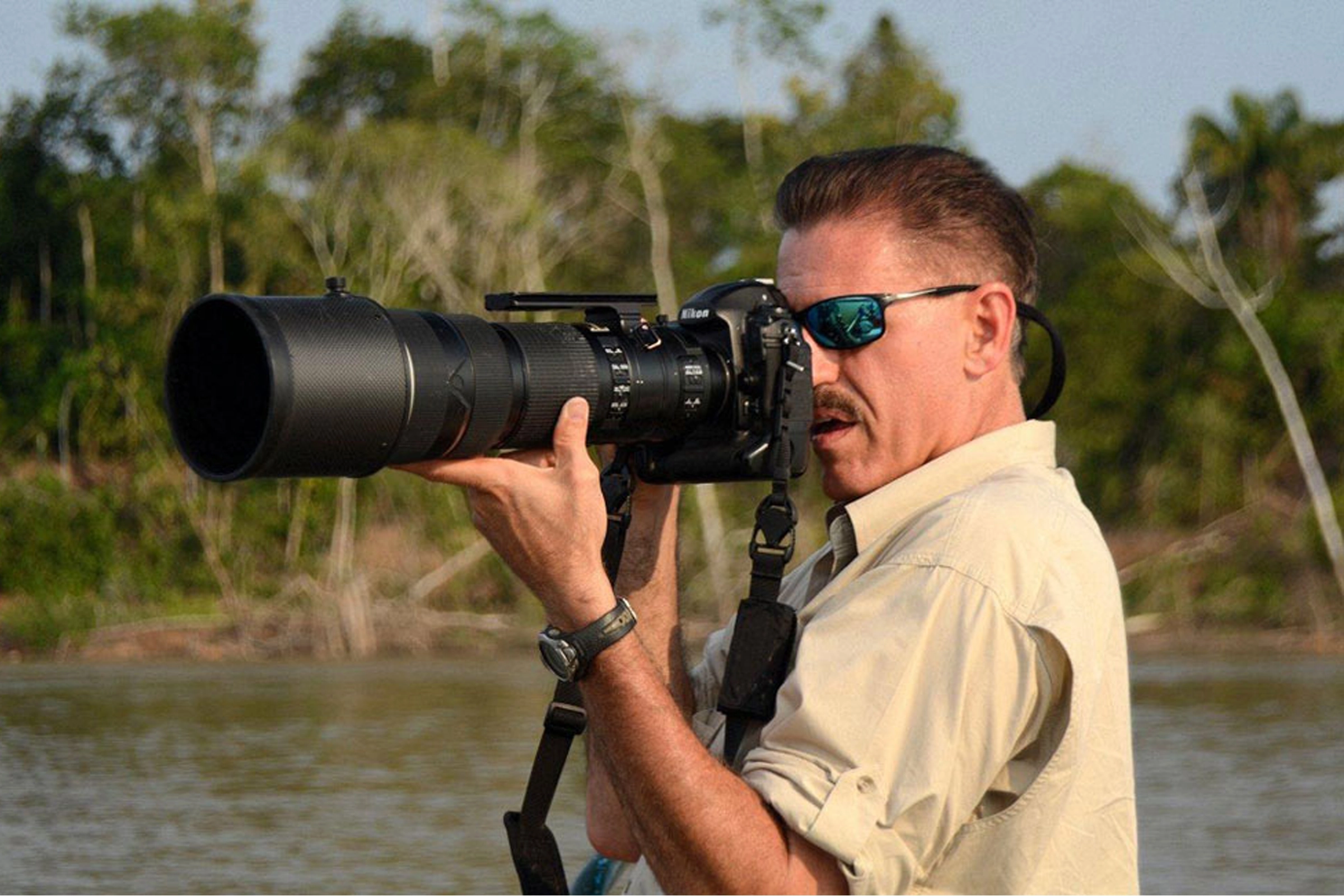
As he worked to get the zoo’s name in front of the public, Magill began experimenting with cameras. He had no training, but he realized good photos could be a tool for telling the stories he needed to show to the public. In those pre-internet, pre-
YouTube days, Magill turned to the printed word for help.
He read several books on photography and looked at a lot of photography magazines. As his work improved and its publication spread, he got a call from an official at Nikon, inviting him to become a brand ambassador for the camera maker.
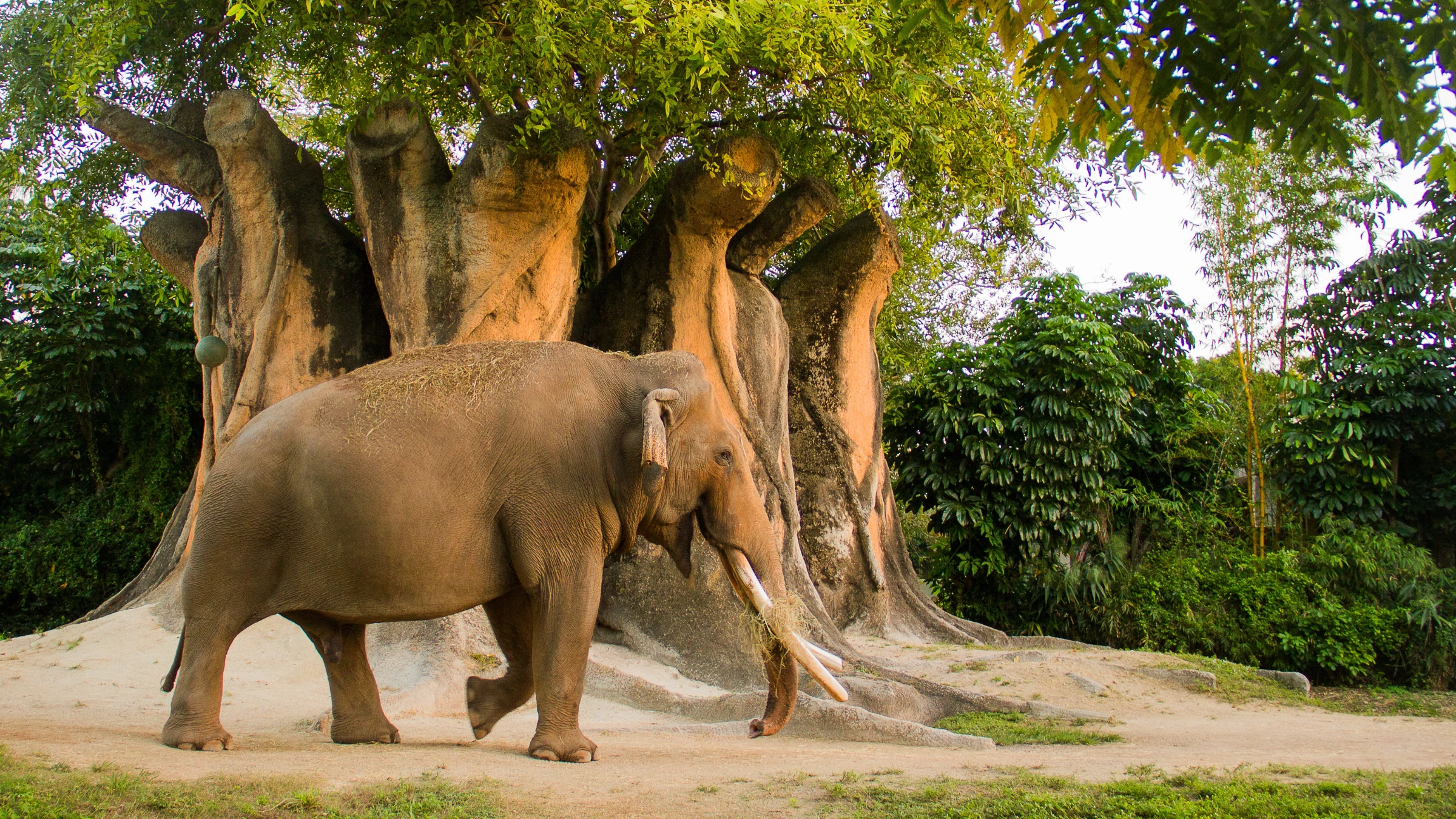
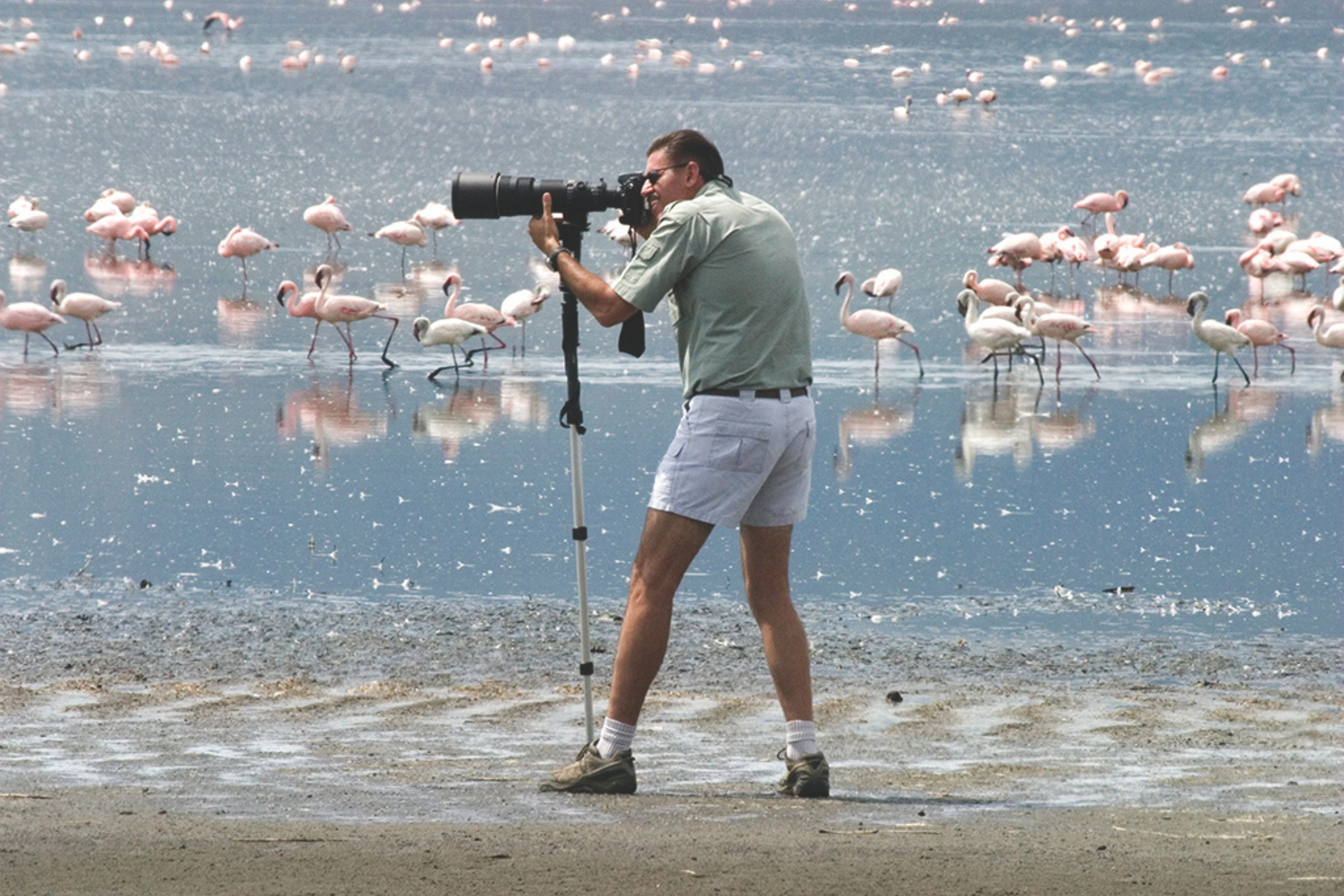
That opened the door for him to take trips overseas in search of photo subjects. He’s been to Africa more than 50 times. He particularly likes snapping pictures of elephants.
Honing his storytelling skills meant a lot to Magill. But now that he was the zoo spokesman, he discovered there were some zoo stories he didn’t think he could tell—and stay employed.
Sensitive Subjects
In 40 years, the American attention span has grown far shorter. Old-fashioned attractions like zoos have to work a lot harder to get noticed. Sometimes, that means offering something other than the usual zoo fare.
In 2006, Miami-Dade County sought permission from voters to build a for-profit entertainment complex next to the zoo.
“I voted for it,” Magill says. He was far from the only one.
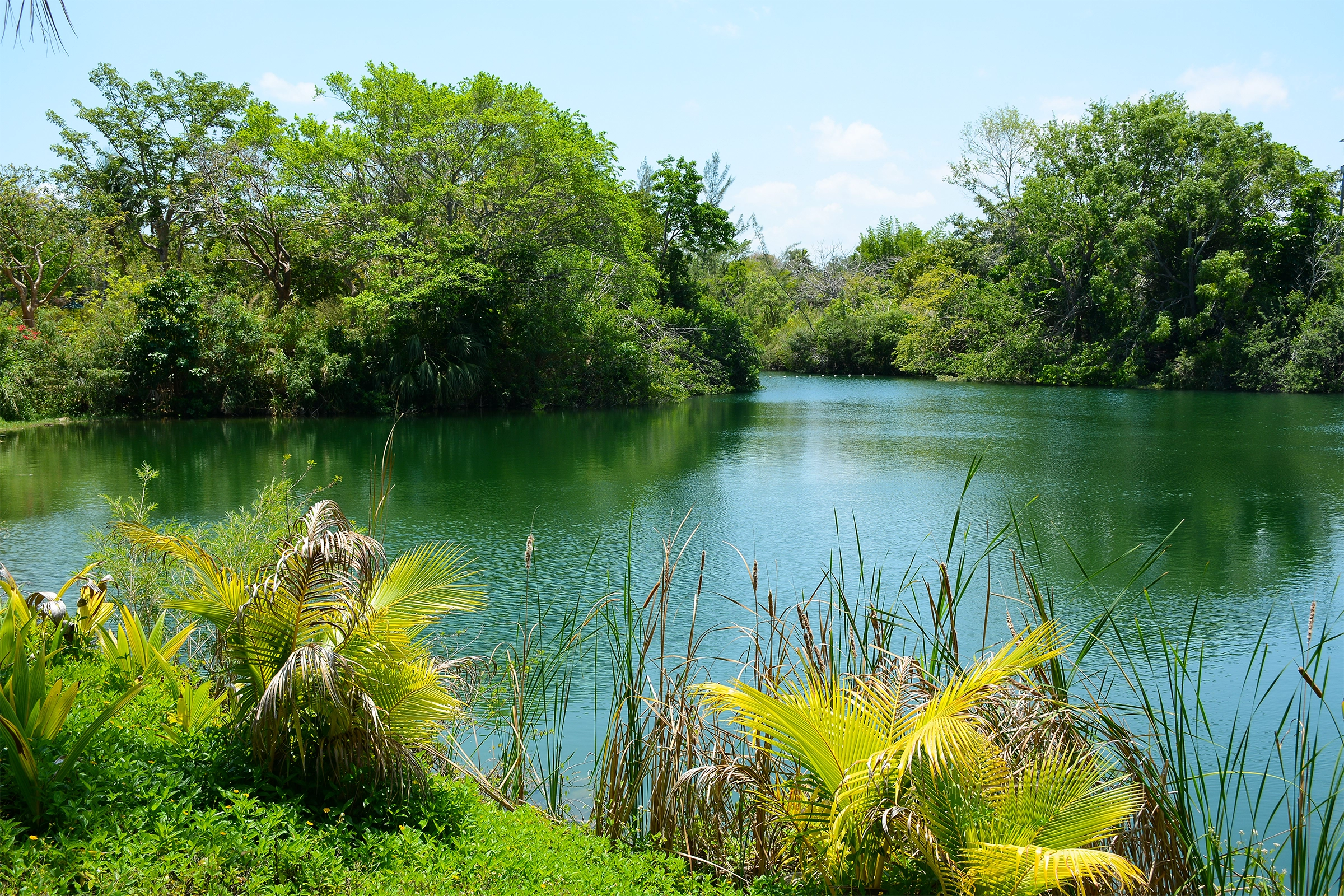
The ballot stipulated that nothing would be built on any land that’s “environmentally sensitive.” But the land next to the zoo was nothing but environmentally sensitive land, a type known as “pine rocklands.”
The pine rocklands sprouted a vast slash pine forest atop the oolitic limestone of the Miami Rock Ridge. It once spanned more than 186,000 acres. Now only 2% of that forest remains.
It’s crucial for a lot of imperiled animals and plants. Some of the former include the Bartram’s scrub hairstreak, the Florida leafwing butterfly, the Eastern indigo snake and the brown-headed nuthatch. The Miami tiger beetle had been considered extinct for decades until it was found in those pine rocklands. Some of the rockland plants grow nowhere else in the world.
Yet national, state and local agencies have repeatedly allowed developers to wipe out that landscape, to the point now that the habitat itself is considered globally endangered.
I’m tired of watching developer greed devastate priceless natural treasures. I will not simply stand by and watch this happen in my own backyard!
The most recent instance occurred in the mid-2010s when the University of Miami sold 88 acres for $22 million. The buyers turned it into apartments, a Chili’s, a Walmart and an LA Fitness, none of which could be considered endangered.
Magill could see this was wrong, but he kept quiet about it. He held back because he was afraid of what would happen if he created a ruckus. His bosses would be upset with him—maybe so upset that he’d be fired from his dream job.
“I’m embarrassed about that,” he says years later. “All I can do now is ask people’s forgiveness.”
But, as with the baby crocodiles, the time was coming when he couldn’t keep his peace.
Here Comes the Ruckus
One of the imperiled animals that uses the pine rocklands is the Florida bonneted bat, the largest bat in Florida, with a wingspan that measures 20 inches. The bat gets its name from its big ears.
Bonneted bats landed on the endangered list about a decade ago, although much about them remains unknown. One thing biologists learned, though, was that they could be found in a remote parking area at the zoo. At night, when the sun goes down and zoo visitors head home, the bats emerge to forage the area, swooping here and there across the quiet landscape.
So when Miami-Dade County cut a deal in 2022 with a company to build a 67-acre water park called Miami Wilds on the remote parking area, environmental groups sued to stop it. In addition to the water park, there would be a 200-room hotel and up to 20,000 square feet of restaurants and shops. The bats would be chased away and never come back.
The opponents won an early victory by proving that the federal government had erred in approving the plan without doing any environmental studies on potential harm. That slowed everything down as the feds had to start over.
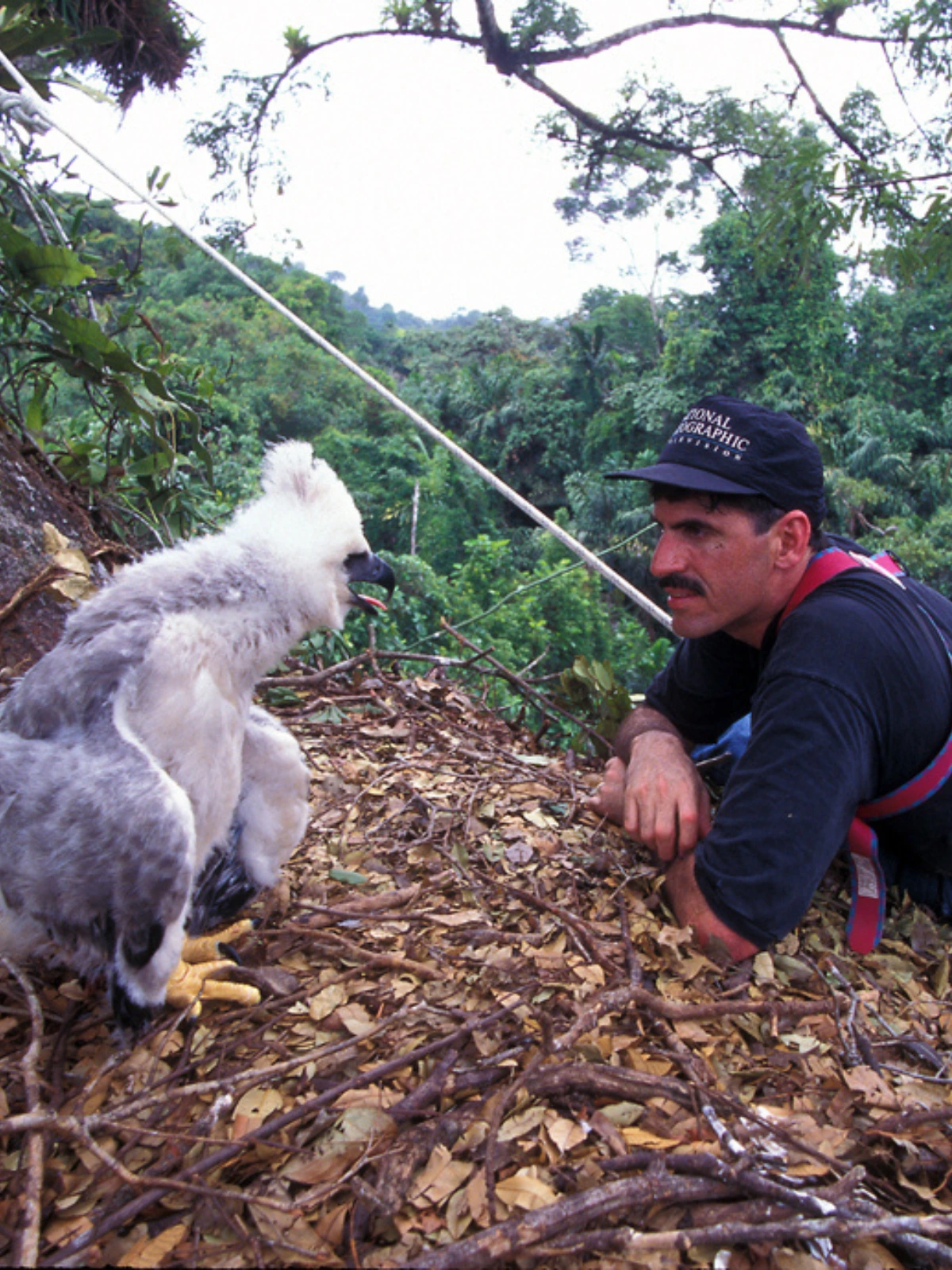
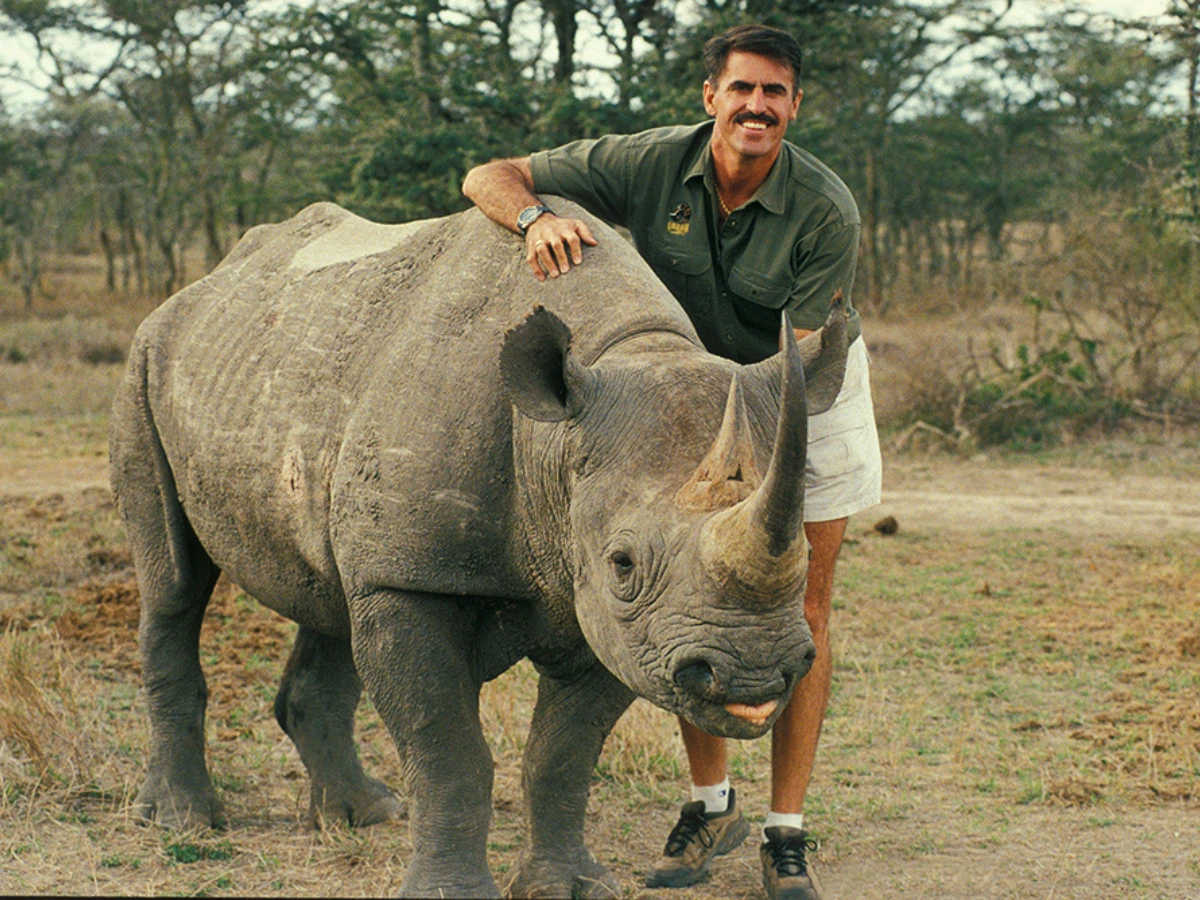
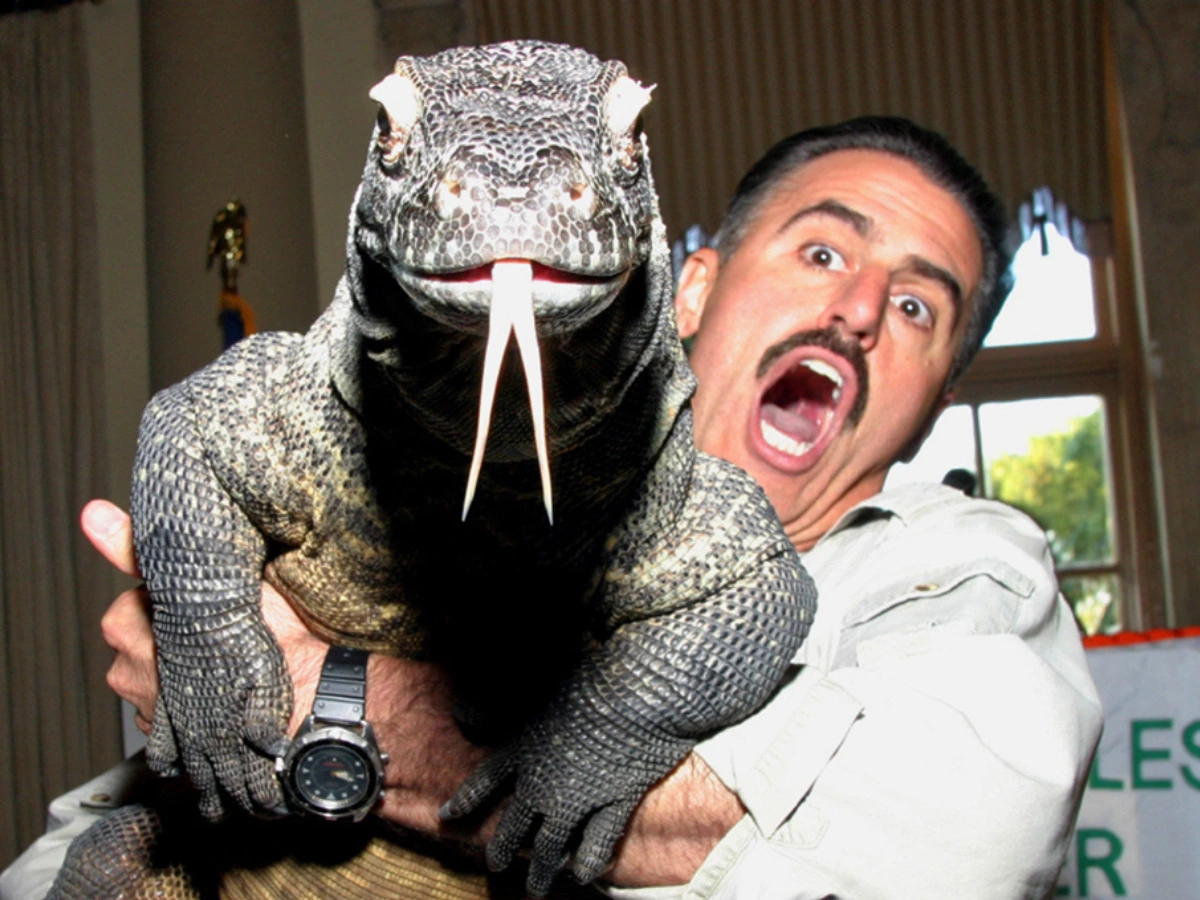
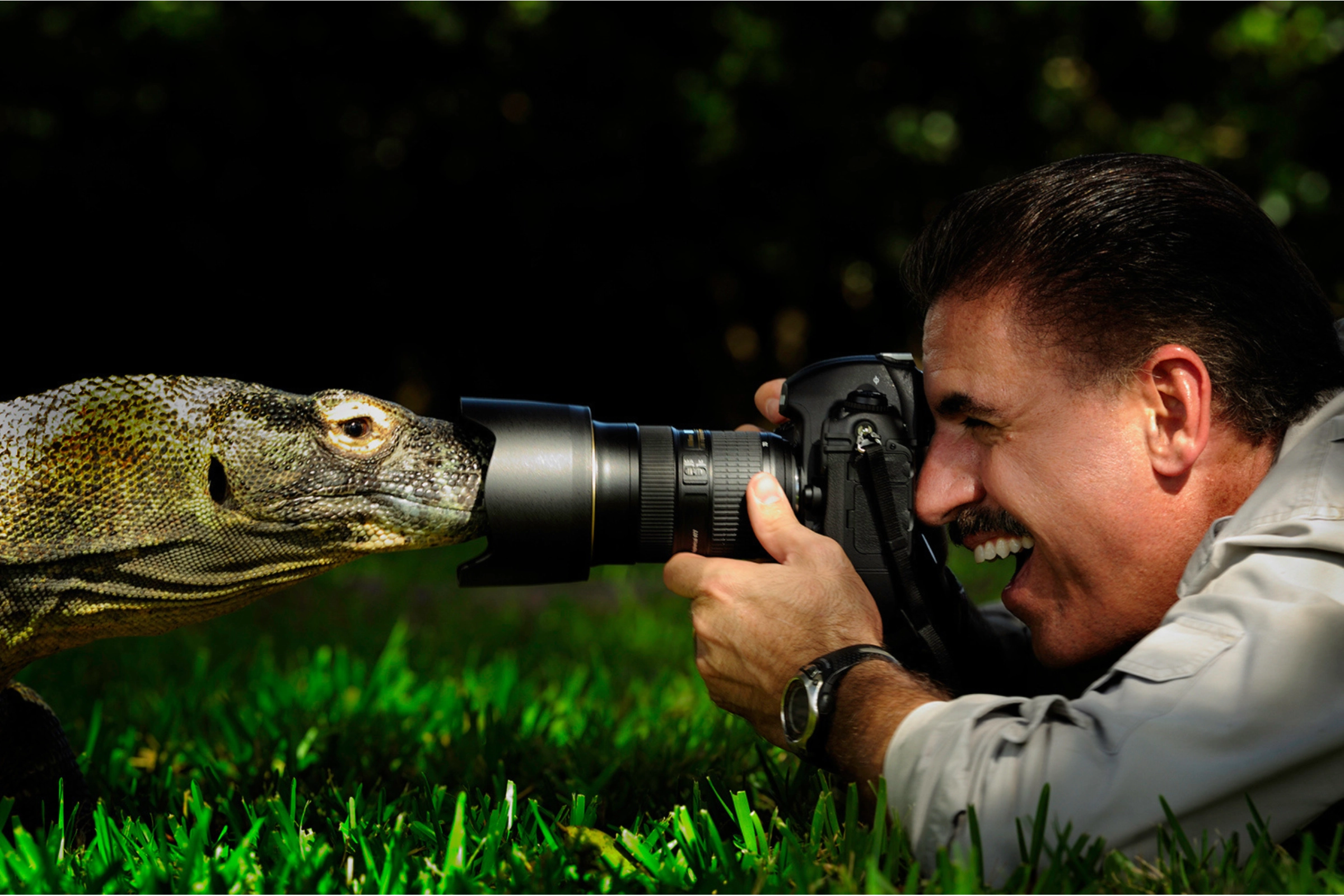
Clockwise, from left: Magill with a harpy eagle; Magill with a rhino; Magill with a komodo dragon. Photography courtesy of Ron Magill
Meanwhile, Magill says, the zoo’s own biologists “were screaming about this for over a year.” They were particularly incensed when they learned that the developer planned to build two new roads to serve the water park, hotel and shopping center. Then the developer began berating the zoo’s scientists and saying the parcel was not important for the bats. Magill was tempted to vent his outrage but knew that wasn’t a smart move. He was 63 years old—not yet retirement age—and earning $127,000 a year. If he spoke up, he might be throwing that salary out the window, not to mention his frequent media spotlight.
Finally, he couldn’t take it any longer. He felt like he was going to erupt like a volcano. He showed up at a Tropical Audubon Society meeting on the issue and spoke passionately about his opposition to the project.
If the zoo is the last place where a species of animal can be seen, then zoos have failed.
He warned his wife that he expected to be fired. And he was OK with that.
The next day, a long opinion piece he wrote about the Miami Wilds project ran in Miami’s Community News, explaining how he’d reached this point. Meanwhile, he told his social media followers: “I’m tired of watching developer greed devastate priceless natural treasures. I will not simply stand by and watch this happen in my own backyard! It may cost me my job, but to say nothing is to be complicit.”
Soon he was fielding calls from reporters who were unused to hearing anything negative from Mr. Sunshine. He told WLRN, “I can no longer continue to just sit back and not say anything. If the zoo is the last place where a species of animal can be seen, then zoos have failed.”
He admitted to feeling embarrassed that he didn’t speak up about the Walmart. It still weighed on his conscience. He was determined not to make that mistake again.
“There’s got to be another place to build this water park,” he told WLRN. “And I’m going to scream it till I’m blue in the face that I’m totally against this.”
The people he worked for made it plain to him that they were not happy to see him rooting against them. He heard a rumor that one of his bosses wanted to set him on fire.
“They told me I was forbidden to say anything about it,” he says. “And I said, ‘You can tell me what to say as Ron Magill, county employee. But you can’t tell me what I can say as Ron Magill, private citizen.’”
Magill’s vocal opposition attracted a lot more public attention to the ongoing battle over the water park, says Elise Bennett, then the Florida director of the Center for Biological Diversity, which was among the groups suing the county.
“It was flying under the radar for a whole lot of people until Ron spoke up,” she says.
Shortly thereafter, Miami-Dade County Mayor Daniella Levine Cava sent commissioners a memo that called for canceling the Miami Wilds lease “to best safeguard the county’s interests and our community’s needs and objectives.”
That led to commissioners voting to rescind a lease modification that would have made it easier for the project to proceed, effectively killing it before it could even break ground.
Thanks to that vote, Magill remained employed. When he finally left the job in May 2026, it was by retiring, not by getting a pink slip. But he had something else that was pink on his mind.
Rallying the Troops
Magill sounds as giddy as a schoolboy going to recess. He’s talking about his new crusade, the thing that’s filling up his hours in retirement.
Flamingos. Again.
Contrary to what you may have heard, Florida’s state bird is not the construction crane. It is the northern mockingbird (Mimus polyglottos), known for its ability to mimic everything from other birds to cell-phone chimes. It’s also known for being everywhere in the South, from the swamps to the suburbs.
The Florida Legislature selected the mockingbird in 1927, and then Arkansas, Mississippi, Tennessee and Texas copied us because, of course, mockingbirds are everywhere. Seeing our mockingbird choice mimicked, ironic though it may be, bothers a lot of folks.
In 1999, 10,000 schoolchildren proposed changing Florida’s state bird to the Florida scrub jay, a threatened species that exists only in Florida. That choice didn’t fly with state lawmakers then or when it came back up in 2000.
Then, in 2009, 20,000 kids voted for the osprey, which is not endangered but looks cool when it dives straight into the water to grab a fish. All three attempts at a change were shot down (so to speak) by Marion Hammer, the tough-talking National Rifle Association lobbyist who also happens to love mockingbirds.
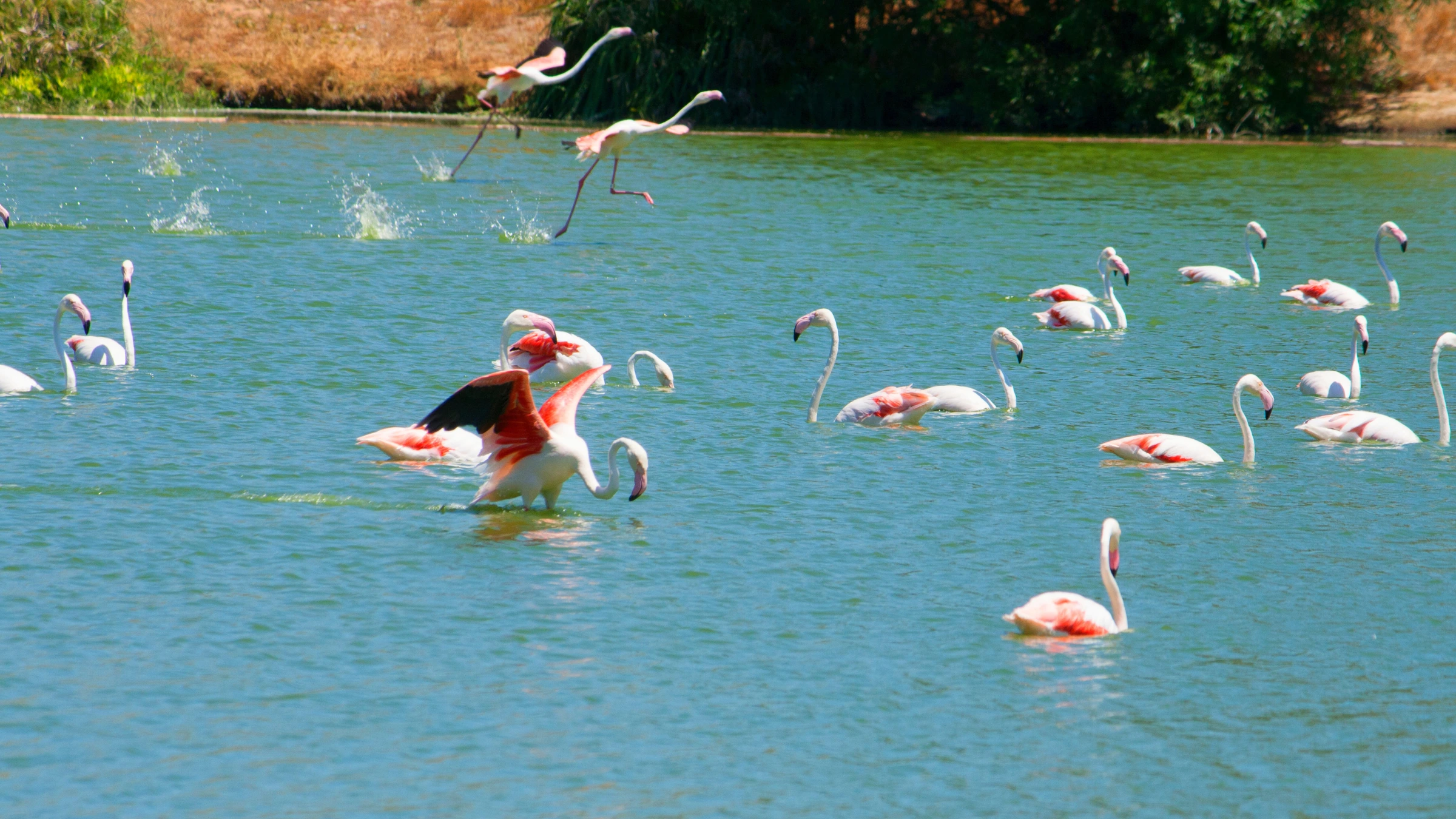
But a new candidate for state bird has emerged in recent years: the flamingo, best known for decorating front yards and fun shirts. After a long hiatus, wild flamingos have recently reappeared in Florida, carried to the state by hurricane-force winds.
One flamingo fan, former state Rep. Jeff Brandes, touted it for state bird because it “immediately says Florida,” like orange juice does as the state drink.
It helps that the flamingos, utterly wiped out in Florida in the early 1900s by plume hunters seeking their feathers for ladies’ hats, have made a strong comeback. In 2023, Hurricane Idalia blew more than 100 of them into the state from Mexico. Then, two years later, birders spotted 125 wading in Florida Bay in the Keys.
In February 2026, a bill to declare the flamingo Florida’s state bird and the scrub jay the official state songbird passed the state House 112-1. Several lawmakers wore pink for the occasion, with some asking about the bill’s “pecking order” and noting that supporters had been “wading” for the vote. The bill then died in the Senate Rules Committee.
But now it has Magill behind it.
I’m going to drive up the state, making stops everywhere to promote the crusade.
“I’m on a mission!” he crows. “This is the year to make the flamingo the state bird.”
He’s been working his way through his phone list of big-name politicians and celebrities, trying to recruit supporters to join him in the crusade. Florida writers Carl Hiaasen and Dave Barry are both on board, he says.
“And I just had a truck delivered that’s wrapped in flamingo images,” he says. “I’m going to drive up the state, making stops everywhere to promote the crusade.”
He admits that this might be an uphill battle, much like the one that spared the bonneted bat from being wiped out by Miami Wilds. But now he’s got nothing to hold him back or make him keep quiet.
He’s retired and ready to take on the challenge. He compared himself to a fearsome monster of old, ready to wreak havoc: “They have released the kraken!”
For more stories on Florida conservation, click here.