Yin & Yang: The Story Behind Our Cover Photo and Photographer Cavin Brothers
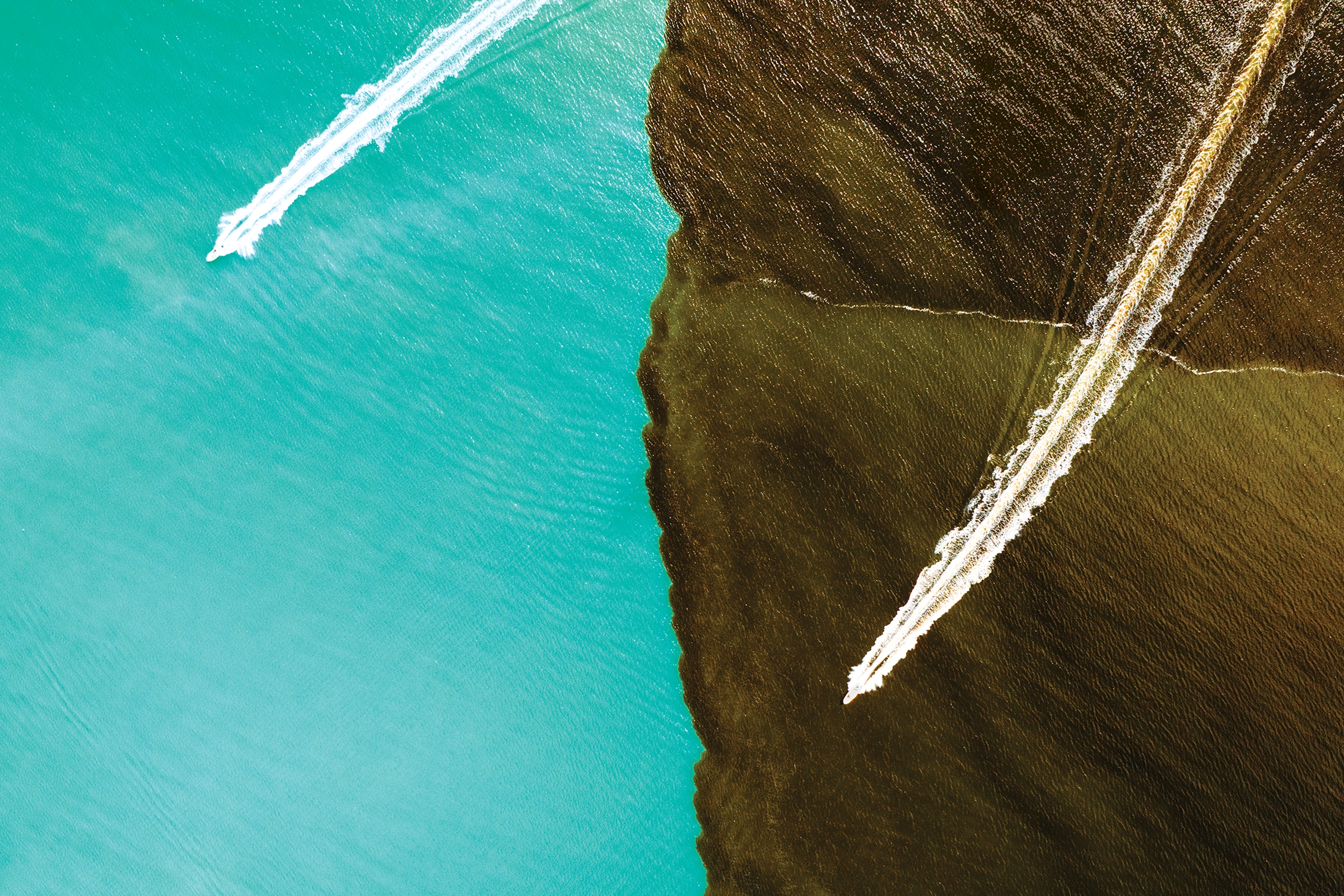
Coquinas photo contest winner Cavin Brothers captured our cover image in the aftermath of Hurricane Helene, when polluted storm surge flowed into the crystal-blue waters of a Sarasota-area bay.
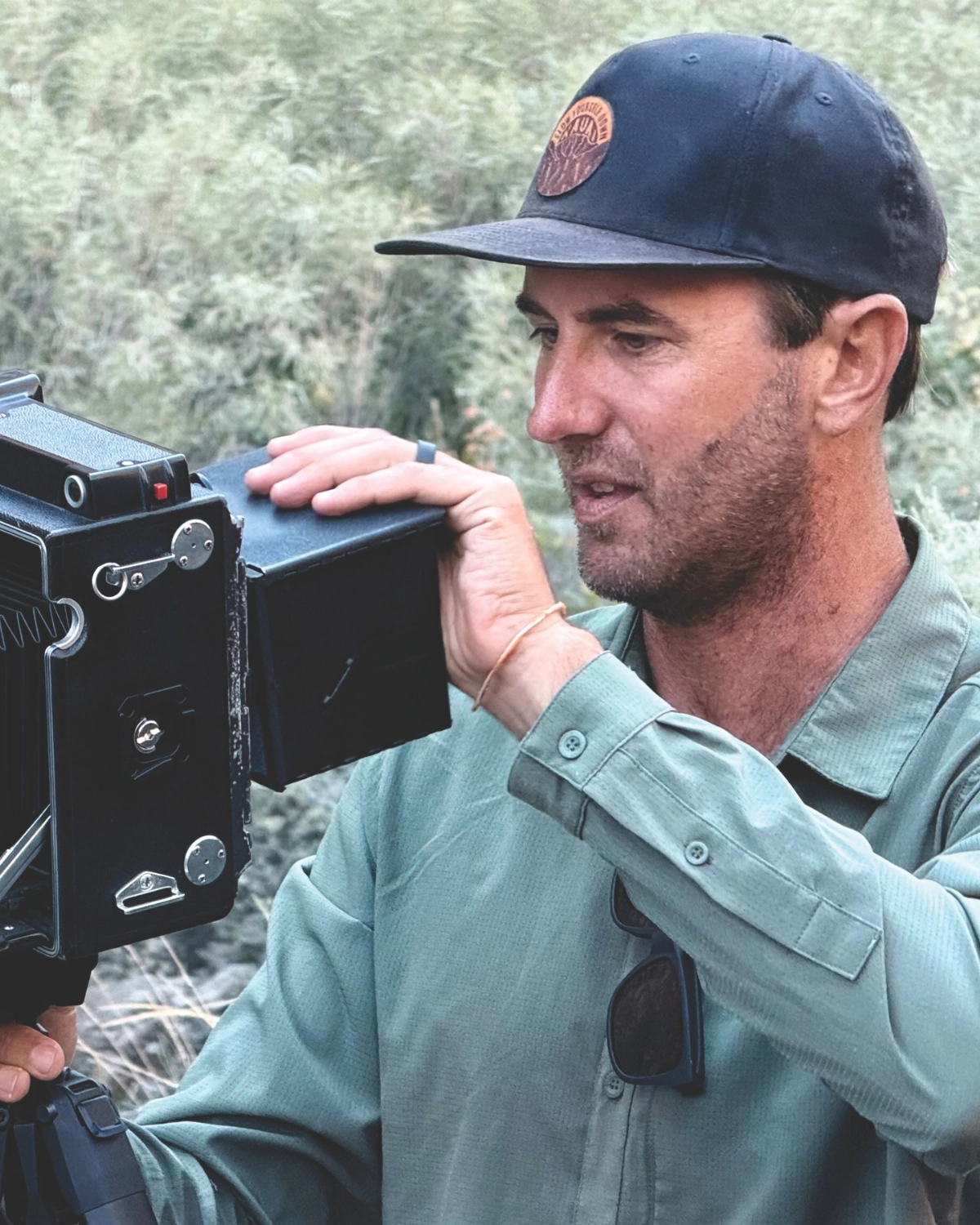
For Cavin Brothers, photographing wild Florida is less an excursion into parts unknown than an exercise in capturing what is right in front of him. Brothers won Flamingo’s Coquinas conservation-photography contest with an image of the aftermath of Hurricane Helene at Venice Inlet that he took near his home in 2024. Raised in Sarasota, he grew up on a board or in a boat, making films while chasing waves with his brother on surf trips. Brothers, 40, works as a commercial and editorial photographer. He documents the outdoors with film, digital photography, video and even the occasional drone, like he did for our inaugural Conservation Issue’s cover image.
“We don’t want water going straight to the bay, like around Venice Inlet where that photo was,” Brothers says. “I mean, if we have a sniff of red tide here, it blows up because of all that water full of nitrates that comes in. Go figure: Florida water is going to be our biggest issue.”
Flamingo recently sat down with Brothers to chat about his winning photograph, how he’s seen Florida’s wild places dwindle over time and whether he has hope for the future of the state’s ecosystems.
By photographing Florida’s natural lands, in a way you’re advocating for them.
FLAMINGO: What draws you to capture Florida’s landscapes?
CAVIN BROTHERS: I think that anyone is going to photograph things that are important to them, or that they’re curious about, and I guess it’s all of those for me. Add in the fact that it’s becoming kind of fleeting in a way—there’s a conservation element there. By photographing Florida’s natural lands, in a way you’re advocating for them.
What catches your eye when you’re out shooting?
CB: If I see a moment, I shoot it. I have a camera in my truck center console. I just always have cameras, and I try to look for those moments that convey a feeling.
Does your work impact your connection to nature?
CB: I’ve never left Florida. I’m from here. My wife’s from here. We grew up in the outdoors. We’re trying to raise our kids in the outdoors. It’s just where we’re at and what we’re doing. It’s naturally going to be part of what I photograph.
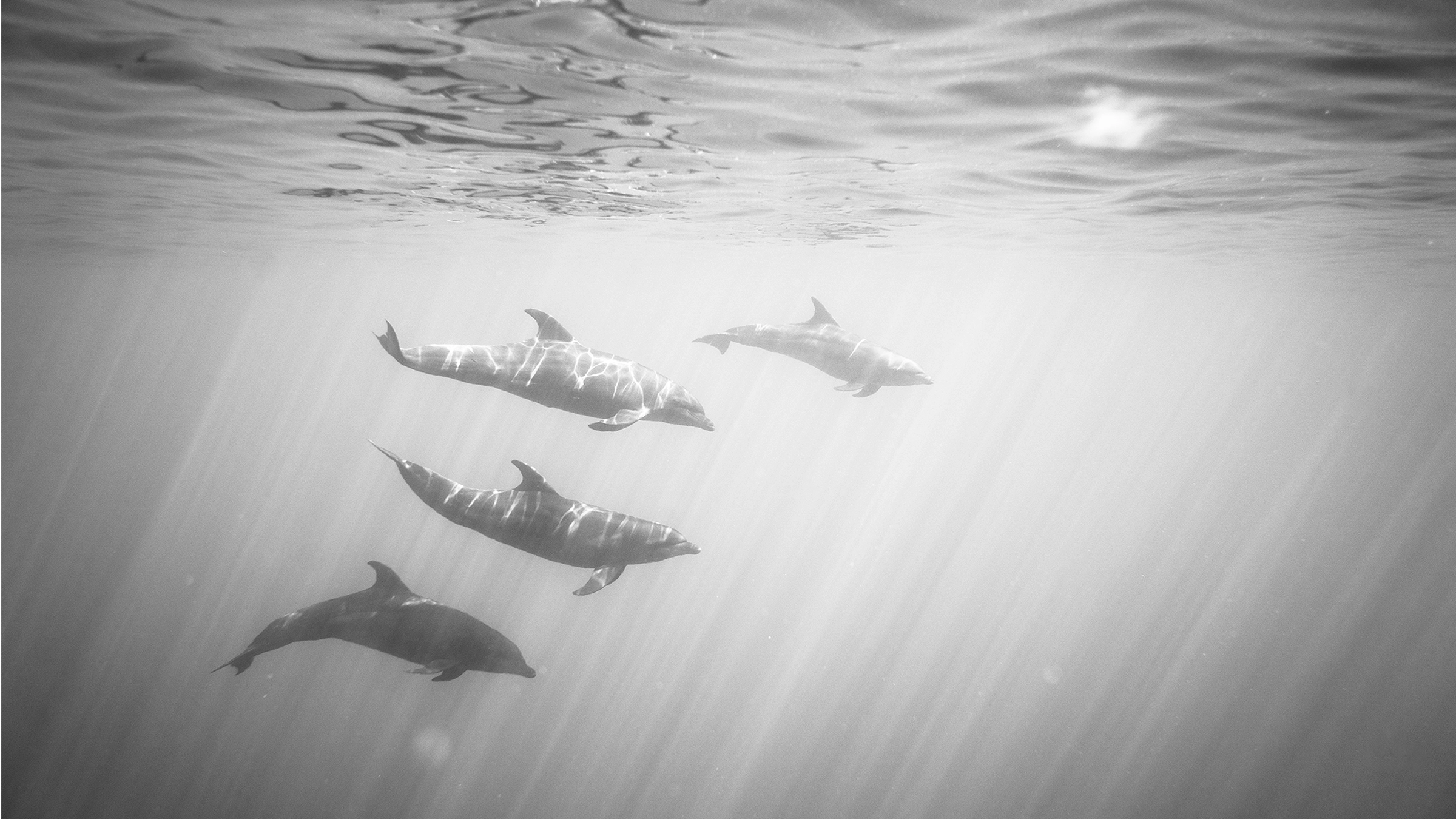
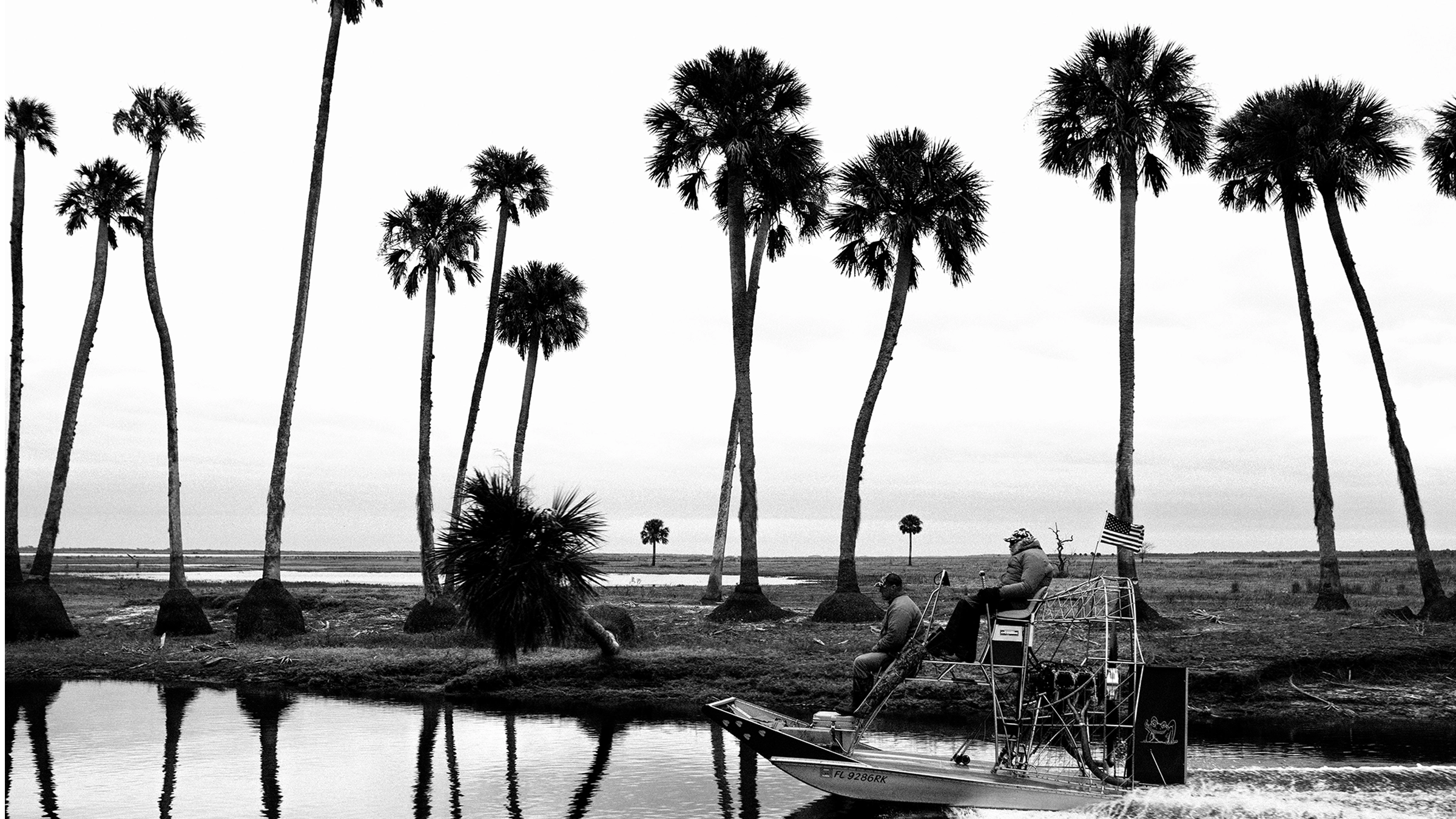
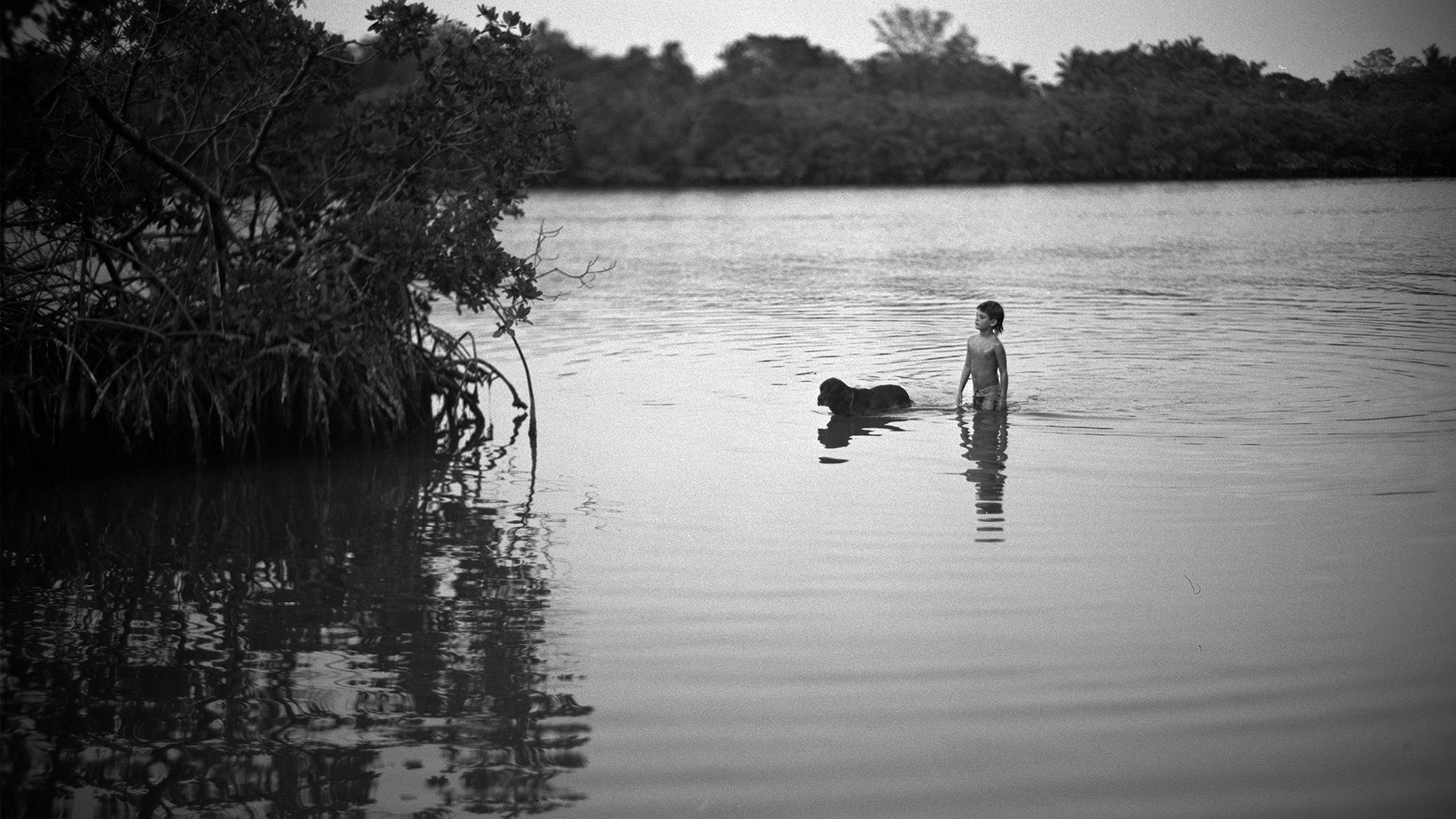
Brothers captures a pod of dolphins swimming under water; a photo of the late outdoorsman Flip Pallot; Brothers often photographs his children in nature. Photography by Cavin Brothers
Tell us about the photo you submitted.
CB: So it was at Venice Inlet. It was Hurricane Helene that came first, and we didn’t know. You know, it was a big hurricane, but it was out farther in the Gulf, and we were more concerned with surfing and stuff. We didn’t realize it was going to be an issue for us, and we ended up flooding because of storm surge.
What are we seeing in the photo?
CB: All that storm surge came up and flooded inland, and then when it all came back out, that’s what all that dark water is. I don’t know if it was that afternoon or the next day, I was able to shoot that photo. It’s basically right across the street from our house. Then two weeks later, we got nailed even harder (by Hurricane Milton).
What stands out to you about the photo?
CB: What’s a little bit surreal is it’s a beautiful day. On one side, the water’s a really crazy color, and there’s boats out, and then there’s the remnants of catastrophe as well. It’s the full yin and yang, you know.
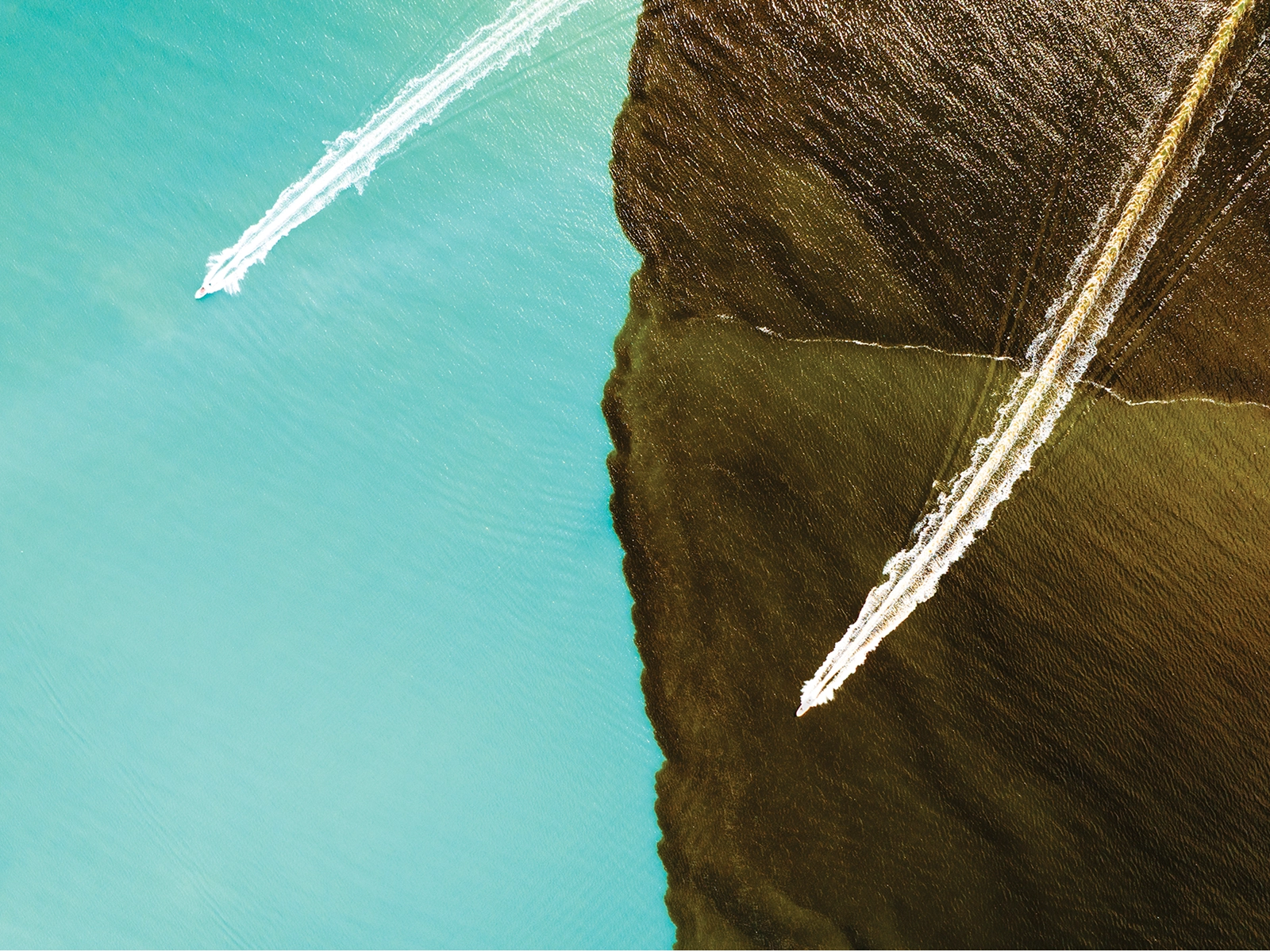
There’s boats out, and then there’s remnants of catastrophe.
What threats do you wish more people understood?
CB: These natural lands—when it rains, they hold water, and that water makes it to our aquifer. And when that place is paved, that water doesn't go into the ground anymore. It goes into a gutter and just goes into the bay, and it picks up a lot of shit on the way. So, it's a twofold issue. I mean, over here in Sarasota, where I live, it's rained a ton this summer, and we're still, I think, in extreme drought. It doesn't look like it. Everything's green, and we've had a lot of rain, but our water table is down, and it kind of doesn't make sense.
How is the water table so low? Oh, maybe it's because of the golf courses and the constant irrigation going on in these neighborhoods. We need water to sit on natural lands to make it into our aquifer, so we don't run out of water. We don't want water going straight to the bay, like around Venice Inlet where that photo was. I mean, if we have a sniff of red tide here, it blows up because of all that water full of nitrates that comes in. Go figure. Florida water is going to be our biggest issue.
How have the places you photographed changed?
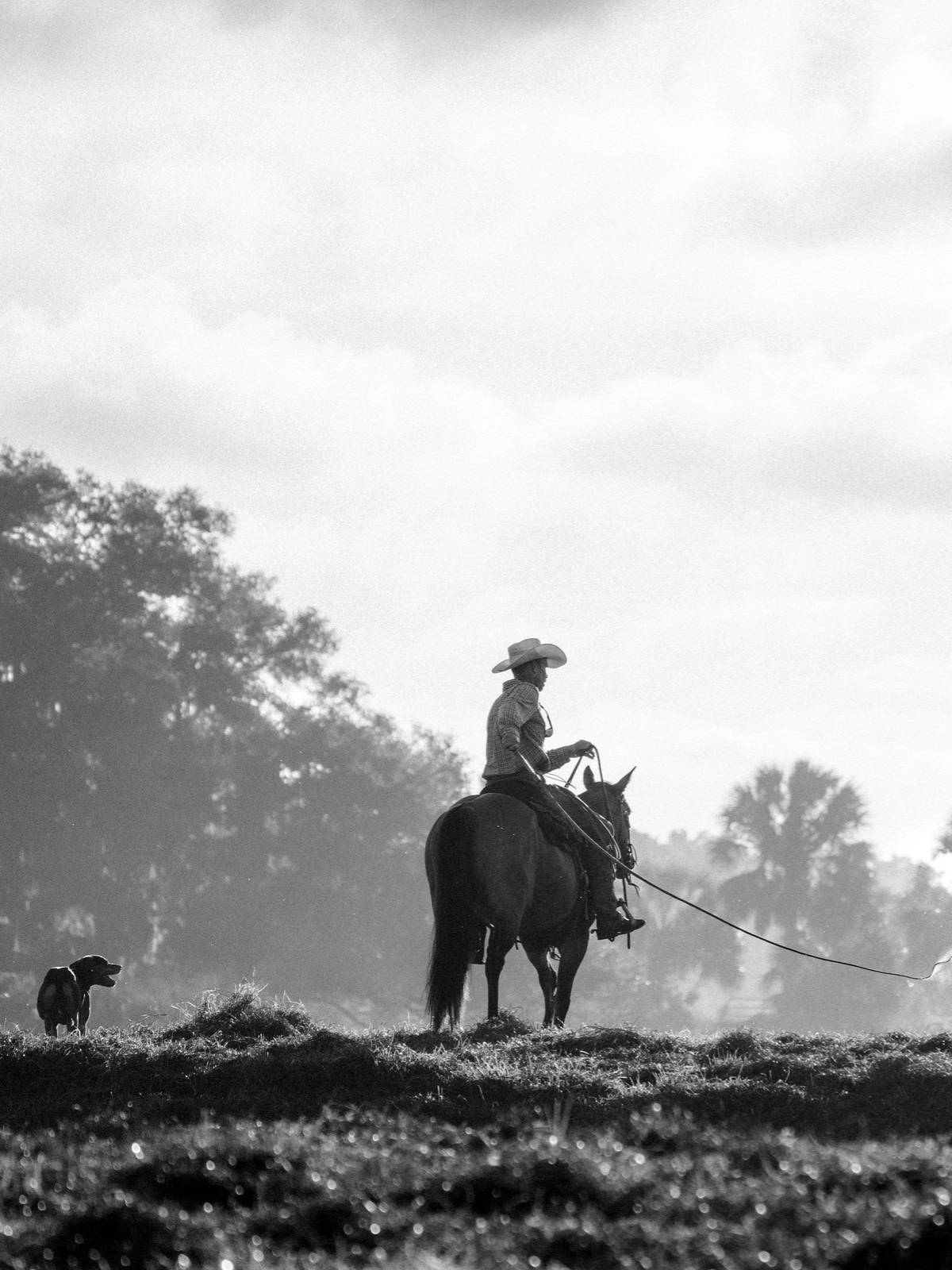
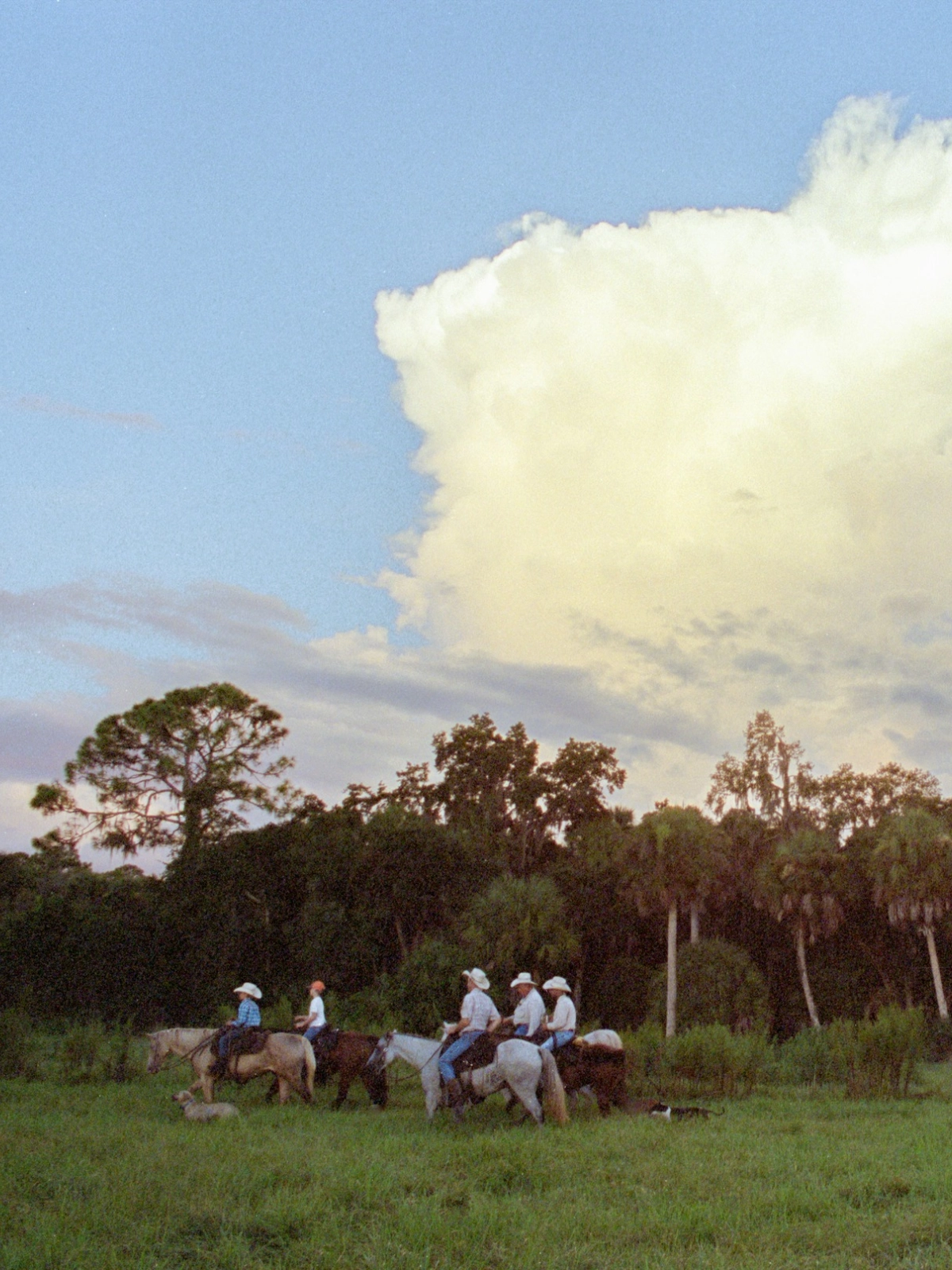
CB: It's sad. You know, we have unprecedented growth. I have rancher friends in Sarasota County that I've shot over the course of the last 10 years or so. I've shot a lot of photos, and all of those places are gone, like all of them. There's not much left at all … They’re roundabouts or 7-Elevens now. These crazy Florida landscapes with all the cattle and guys on horseback—now they're roundabouts.
Is there anything that gives you hope?
CB: No. I mean, I think that there's a lot of people doing really great stuff, like the Wildlife Corridor and the conservation easements. I think people know, or people are figuring out, that there's an issue. But I don't know. Soon, we're not going to have property taxes, and more places are going to be developed.