by | November 6, 2026
“Monsters of God” Reveals the Dark World of Exotic Reptile Trafficking—and Florida’s Major Role in It
From the makers of “Tiger King” and ”Chimp Crazy,” a new documentary examines the underbelly of exotic reptile trafficking, much of which is going on in the Sunshine State.
Eric Goode and Jeremy McBride have spent an inordinate amount of time in Florida over the last few years.
The pair have been constantly in and out of the Sunshine State filming their Emmy nominated Netflix series “Tiger King”—about big cat owners across America—and now “Monsters of God,” the HBO documentary series that reveals the dark side of animal and reptile trafficking. Unsurprisingly, that means it’s primarily set in Florida.
A lot of weird shit happens in Florida.
–Eric Goode
“I don’t think I told you this,” McBride tells Goode at the start of Flamingo Magazine’s interview with the pair. “When we completed our taxes for the production, it showed that we had spent the equivalent of a full calendar year in Florida since 2020.” Goode—who is the director of these films—can’t help but laugh at the producer, as he quickly does the math in his head and realizes that McBride is right.
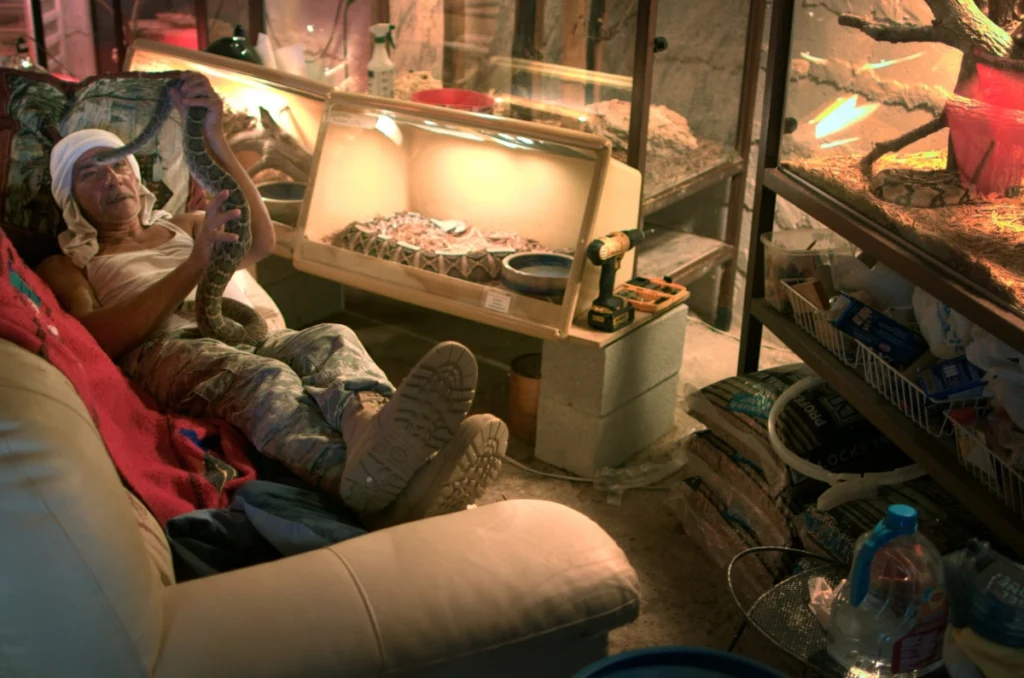
“Monsters of God” explores the underworld of exotic animal smuggling and reptile dealers. Florida figures in the series include Tommy Crutchfield from Homestead, as well as Ray Van Nostrand and his son Mike, who operated out of Hollywood. Ray would regularly work with Mario Tabraue, providing animals and reptiles to the former cocaine trafficker, who lived in Miami.
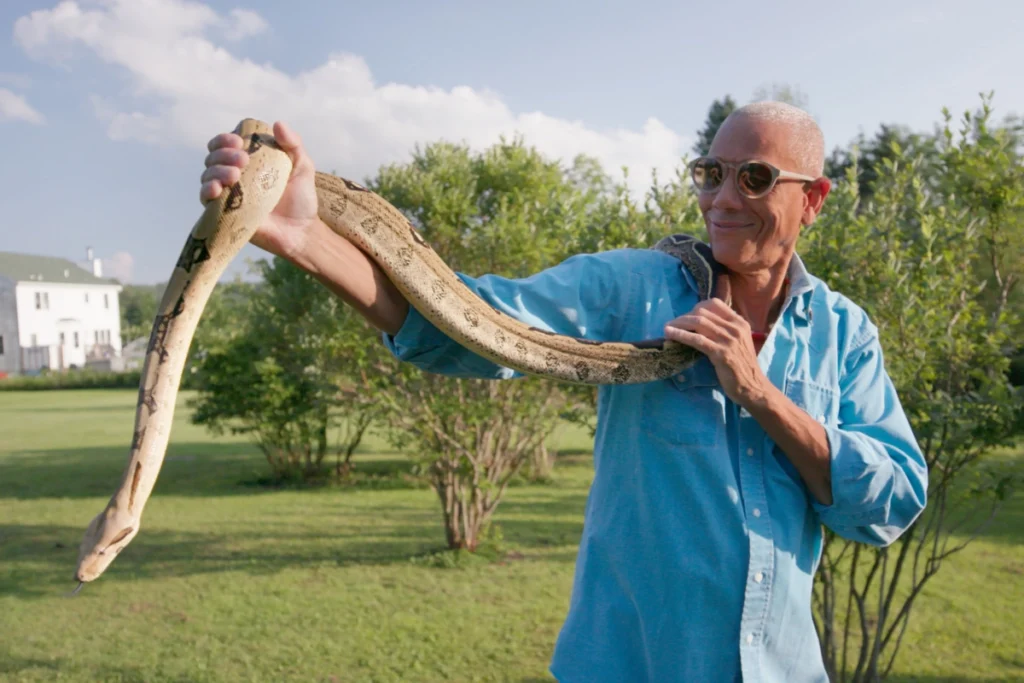
“A lot of weird shit happens in Florida,” says Goode, who describes the state as a “sunny place with shady people.” But while large portions of “Monsters of God” unfolds in Florida, this is an international story that includes smugglers from the likes of Pennsylvania, Malaysia, Madagascar and Belize. When it came to getting the creatures into the United States of America, though, the huge entry port of Florida was the ideal choice because of its climate.
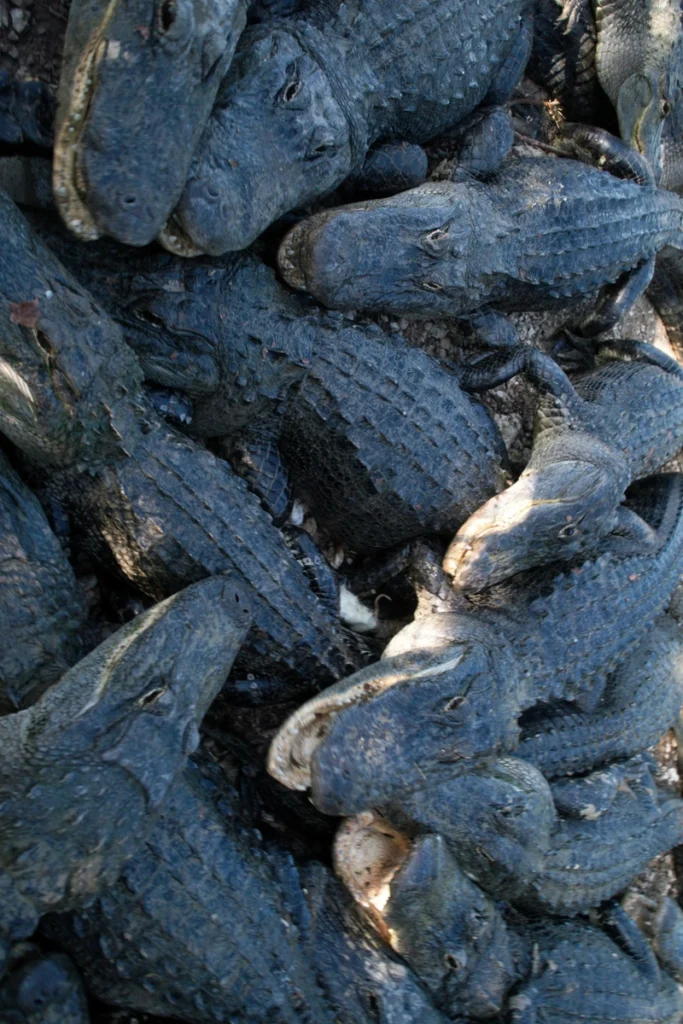
“Animals freeze at JFK in New York,” explains Goode. “Many of the reptile people who set up shop in Florida came from northern states. They gravitated to Florida because the climate is great for reptiles. That’s why you have Burmese pythons running around the Everglades, iguanas falling out of trees and 25 other invasive reptiles in Florida. There are just so many reptile dealers there.”
The son of naturalist and conservationist Marilyn Goode, Eric has been interested in reptiles ever since he was a child. Even as a teen he kept his bedroom full of turtles, snakes, and lizards. After a successful career as an artist, music-video director and then restaurant, hotel and nightclub owner—during which time he still kept reptiles—in 2003 Goode shifted to worldwide wildlife philanthropy and conservation. He directed numerous natural history films, before creating “Tiger King,” “Chimp Crazy” and now “Monsters of God.”
Goode had been fantasizing about making “Monsters of God” ever since he read Bryan Christy’s 2008 book, “The Lizard King: The True Crimes and Passions of the World’s Greatest Reptile Smugglers,” which exposed many of the people seen in the documentary. “I tried to buy the rights to the book when it came out. But I lowballed Bryan so missed out,” admits Goode.
By 2014, Goode was able to start filming what would eventually become “Monsters of God,” traveling down to Florida to interview some of the individuals involved. Over the last 12 years, the “Tiger King” and “Chimp Crazy” stories took precedence and proved to be quicker to complete. But Goode never gave up on making “Monsters of God.”
“I would be traveling to very strange places and filming other work, but I just kept going back to Bryan’s book and thinking, ‘I know I could do a documentary about this world,’” Goode says.
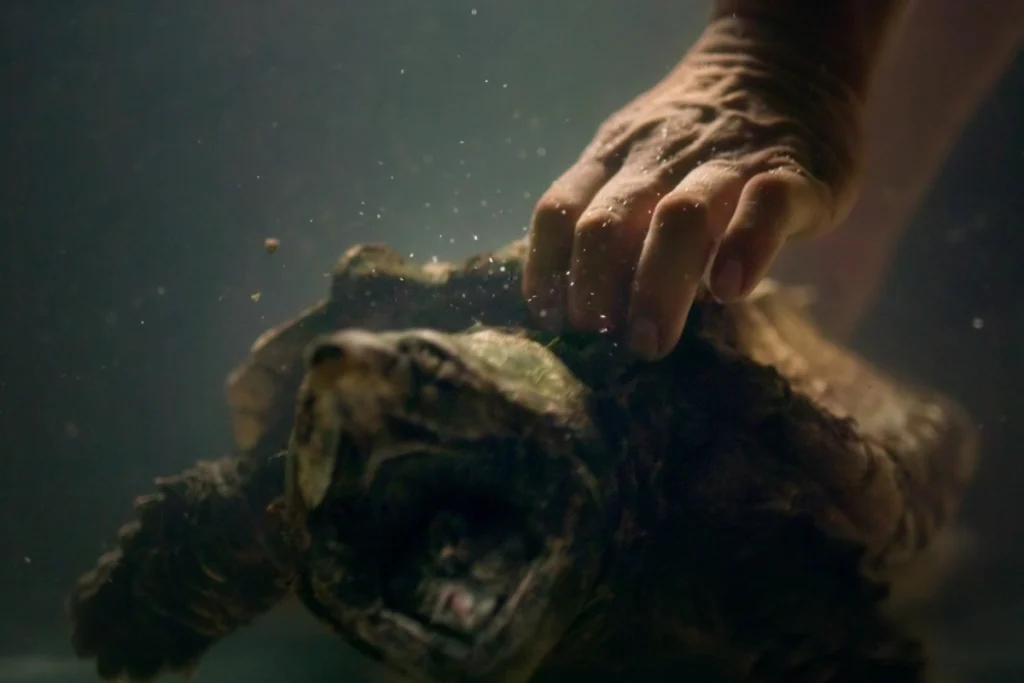
Especially because there was so much thematic depth and an abundance of complex, hypocritical characters at its heart. Over the course of five episodes, the show explores the dangers of obsession, the human desire to have power over nature, the commodification of wildlife, how drugs and wildlife repeatedly intersect and even how the Bay Of Pigs invasion aided trafficking in Florida.
What really fascinated Goode was how the customs officials, animal cops, collectors, smugglers and even the people acquiring the creatures for zoos all had similar pathologies. “They’re all chasing their prize. The zoos want their menagerie and reptile house to beat other zoos. The smugglers want the most expensive animals to make the most money. The collector wants the coolest reptile and the law enforcement wants to get them. Sometimes they even want the very thing they’re arresting people for, too.”
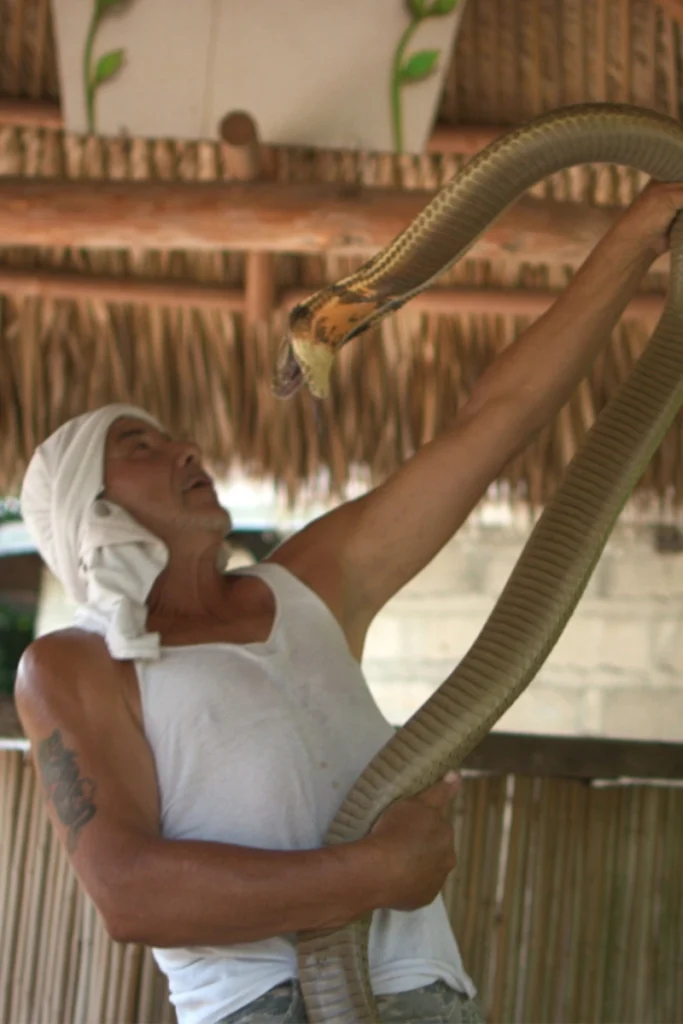
As usual with his other documentaries, figuring out how to depict each of these topics and give every character enough time on screen proved to be rather challenging for Goode. “There becomes a saturation point for viewers. Otherwise we could have kept going and made 20 episodes because these people don’t stop,” he explains.
Even while they were filming, Mike Van Nostrand was jailed for several months for smuggling three thousand 3-striped mud turtles from Florida to China, was released and put under house-arrest. Goode continued to film Van Nostrand during this ordeal but didn’t put any of that storyline into the show because it just didn’t fit with the rhythm. Upon being reminded of Van Nostrand’s time in prison, McBride recalls asking him how his neighbors might feel about living next to an ex-convict. “He just went, ‘Bro, everyone in Florida goes to prison. All of my neighbors have been to prison.’ It was no big deal at all.”
Such a relaxed view of incarceration might explain why reptile trading continues to be “so robust across the country,” according to McBride. Rather than animals being brought into America, the bigger issue has become smuggling them out to Asia. In the last few weeks, it was revealed that nearly one thousand American turtles were confiscated at LAX by the U.S. Fish and Wildlife Service. They were destined for China, where they would have been sold for a million dollars.
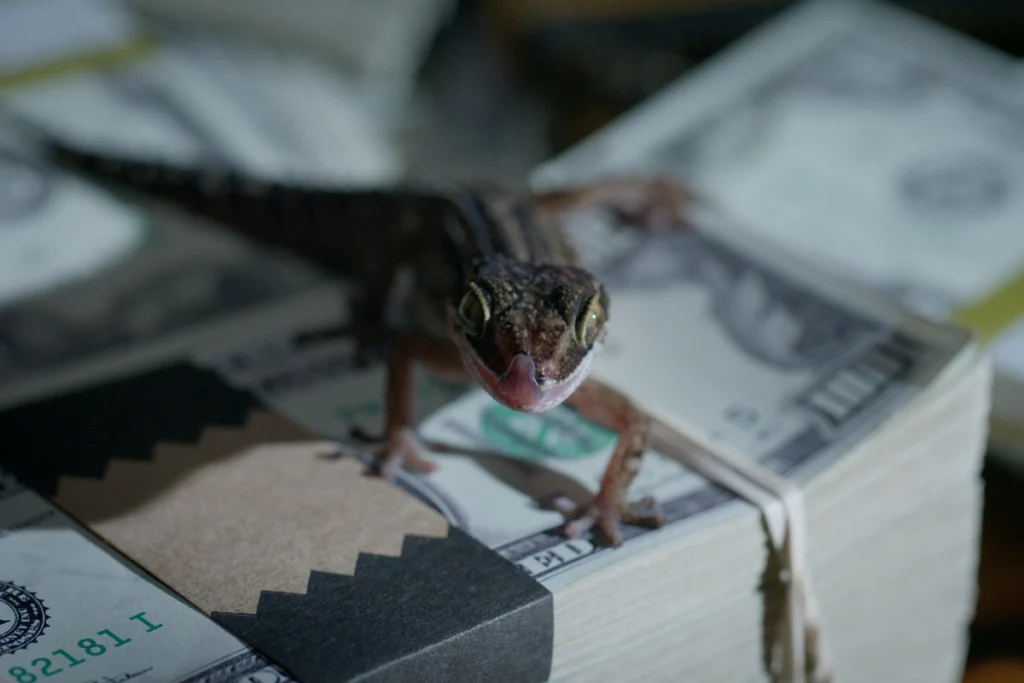
Goode insists the issue is still much bigger than people realize. While previous laws were put into place to make trafficking more challenging, smugglers have managed to circumvent them. The scarcity, risk and added complications required to transport the animals and reptiles has only made prices steeper. “It raised the bar for these people. It wasn’t a deterrent. It was almost a challenge,” declares Goode. “Now they use forged paperwork or other smuggling routes. The trade has evolved.”
The hope is that shows like “Monsters of God” can raise awareness of these crimes while reminding viewers that reptiles aren’t disposable like a toy—they’re living, breathing creatures with their own feelings, emotions and needs who deserve to be treated with love and respect. “We’re not the animal cops,” says Goode. “We want kids to grow up and have a ball python, bearded dragon or leopard gecko. But the wildlife trade is huge. There needs to be more awareness of it and everyone needs to do a better job at caring for these creatures.”