Carl Hiaasen Brings His Novels to the Big Screens
The film industry can’t get enough of the famed Florida satirist and his bestselling stories about the Sunshine State.
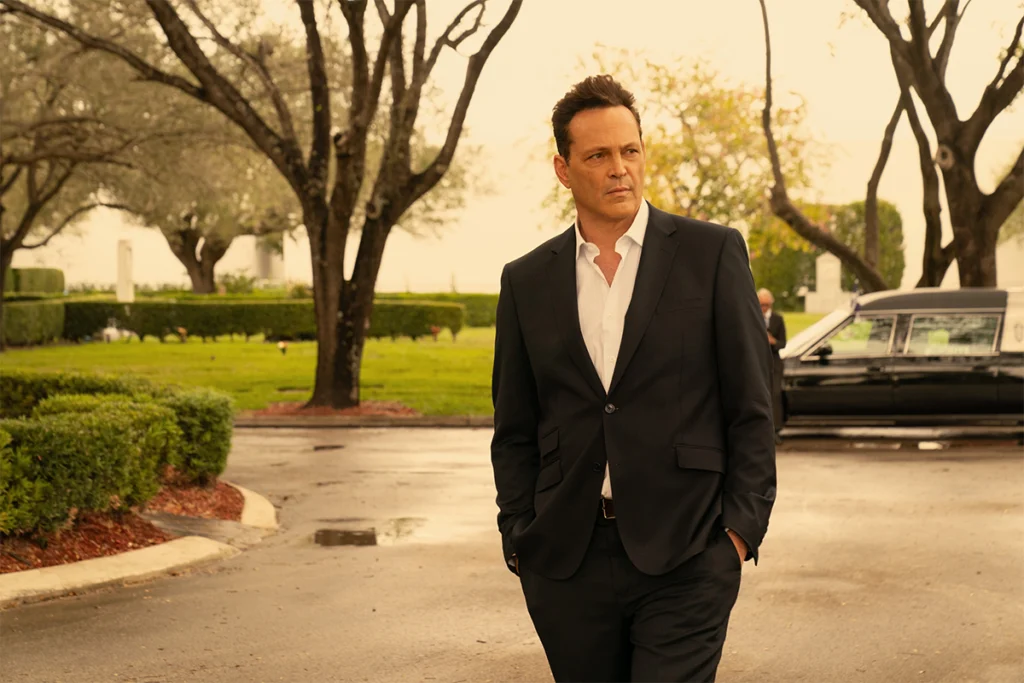
For Carl Hiaasen fans, his next book can’t come fast enough. Unfortunately for them, the author doesn’t expect to have one out until the latter half of 2027, so the second-best thing will have to be an upcoming adaptation of one of his novels. Two Hiaasen television projects are in the works, with one more having already aired this year: a second season of “Bad Monkey” on Apple TV, a series based on “Skinny Dip” on Amazon Prime and the premiere of “R.J. Decker” on ABC. The Florida native has made the state a fixture of his books for 40 years, beginning with “Tourist Season.”
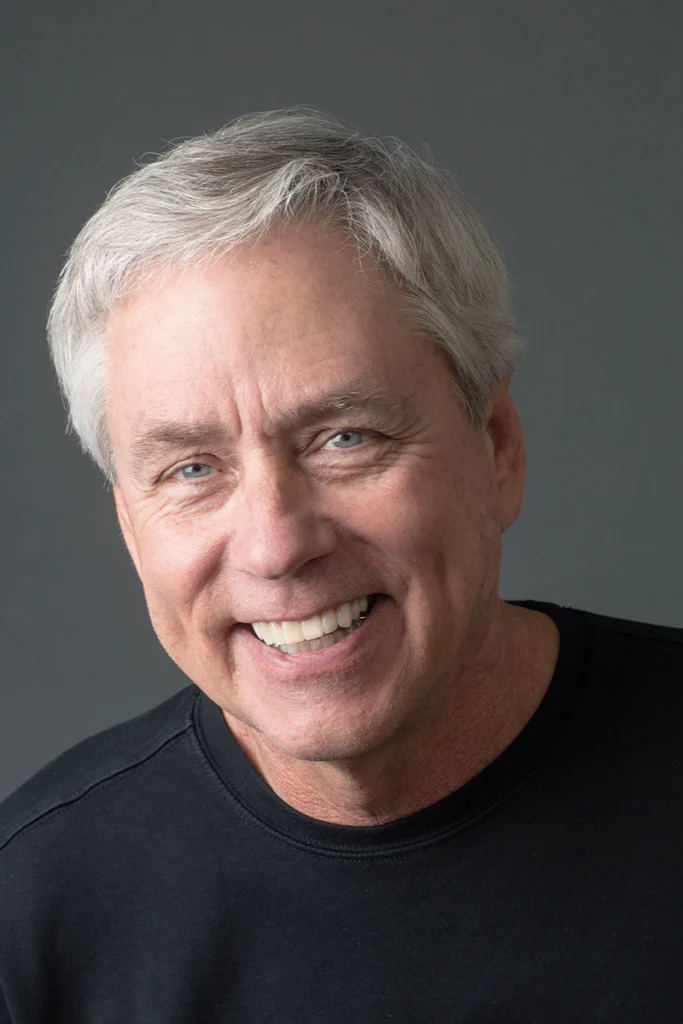
Hiaasen, 73, grew up outside Fort Lauderdale and briefly left the state to attend college in Atlanta before transferring to the University of Florida to study journalism. He joined the Miami Herald reporting staff 50 years ago and later became a columnist for more than three decades before retiring in 2021. He has published 23 novels, two of which have been adapted for the big screen.
Flamingo recently spoke with Hiaasen about how Hollywood has come calling, what’s next and the role he’ll play in the latest adaptations.
How involved have you been, or will you be, with these series?
Carl Hiaasen: They send me the scripts, and I’ll make notes every now and then. But these projects get a life of their own, and I try to keep a healthy distance. Bill Lawrence and his team on “Bad Monkey” have been really good about staying in touch. I get questions once in a while from the writing room about: Is this possible? Usually, if it’s about Florida, nothing is too far-fetched.
What took so long for Hollywood to come calling? They did “Hoot” and “Strip Tease” as films, but books like “Tourist Season” seem perfect for film.
CH: “Tourist Season” was optioned. Almost all the books have been optioned. I mean, that’s the funny thing. I have at least two boxes, big boxes, full of scripts that have been done over the years. I’ve always taken a position. Unless they’re just horrible, I usually just stand on the sidelines and say, “Well, good luck with that, and I hope it works out for you.” I’ve had them get to the point they hire a director. I put out a book called “Skin Tight.” They’re ready. Within a week of when they’re going to start filming, they decided not to. The studio pulled the plug on it. It may or may not have been a merciful thing, but I just learned a long time ago that you can’t get emotionally invested in any way, because it’s Hollywood, and things can change fast. And things can turn out well, or they can turn out, you know, not so great.
How do you feel about your books being portrayed so far—in movies and a series like “Bad Monkey”?
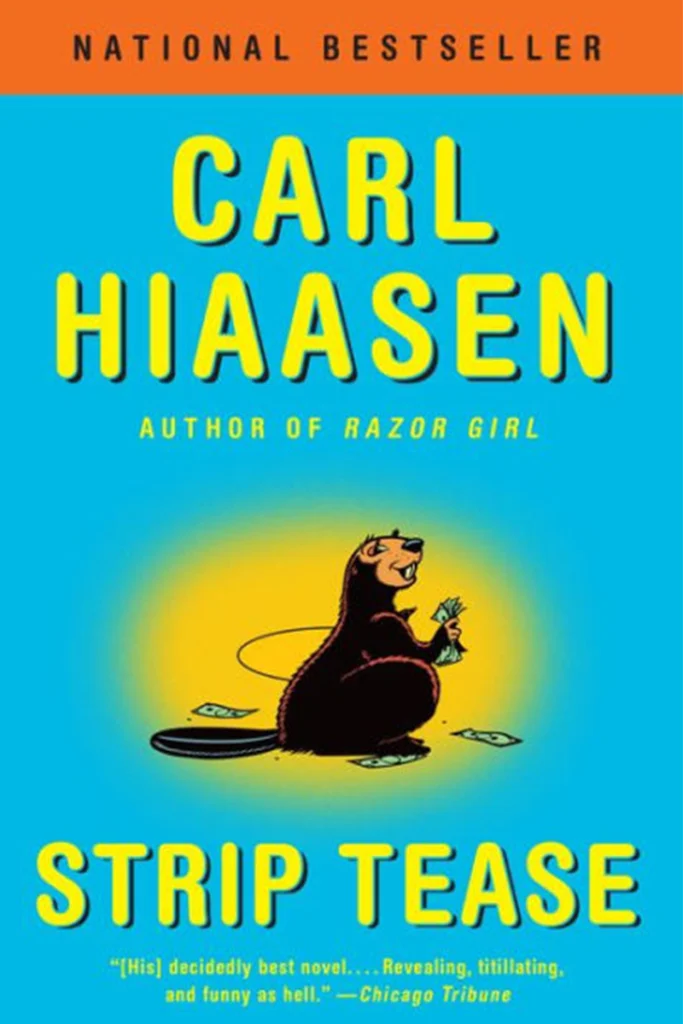
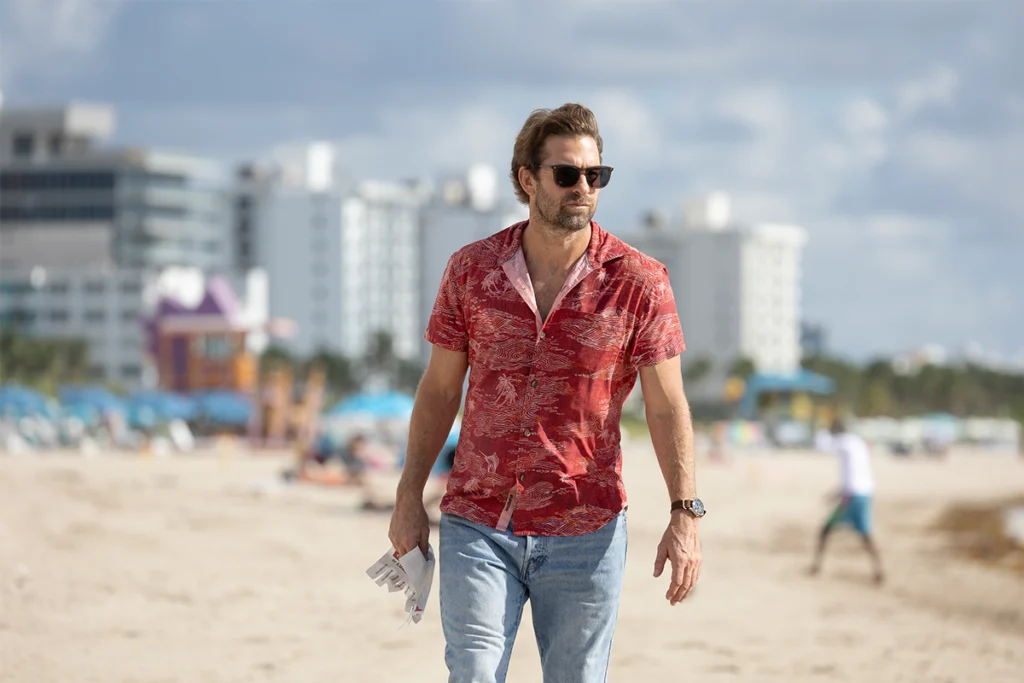
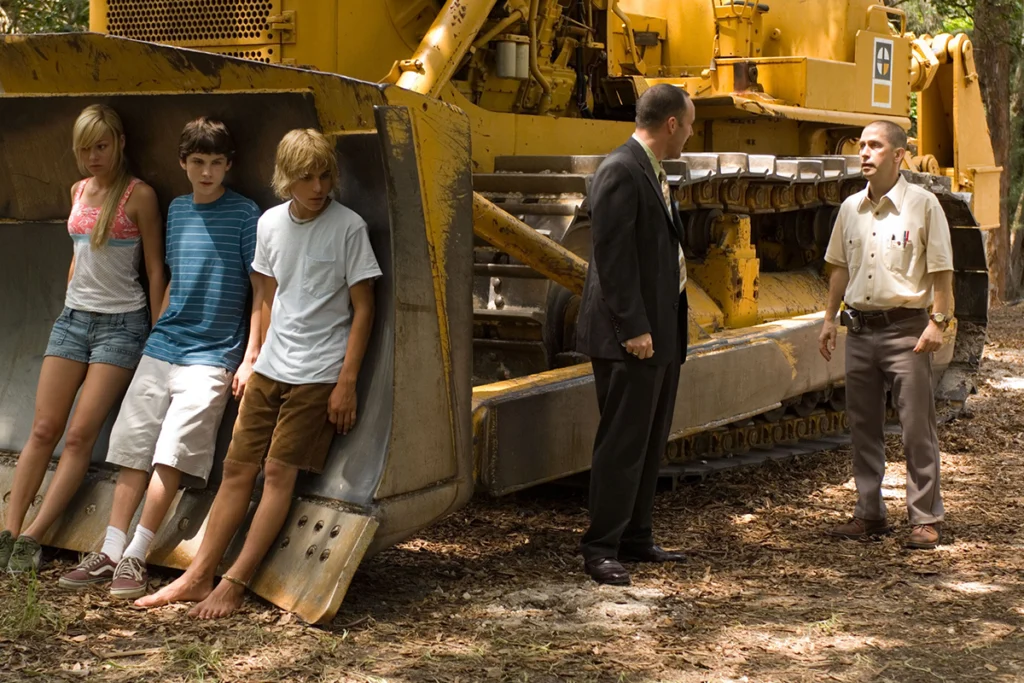
CH: I like “Bad Monkey.” I like the music. I like the tone, the comic tone. I think Vince Vaughn is perfect for that role. He’s got just the right attitude and demeanor. With “Hoot,” Jimmy Buffett got involved, and he was a good friend of mine, and director Wil Shriner, who’s basically a Fort Lauderdale kid, just like me. The three of us all had this common love of Florida and a long knowledge of Florida. But we’re dealing with two separate studios or production companies. The notes would come back from California, and notes from one group of executives would be completely different from the other group of executives. It became a struggle, particularly with the ending of it. The thing I can say about it is the movie captured the spirit of the book. It made Florida look the way I remembered it was when I was a kid. With “Striptease,” it was fun. Again, to me, it kind of got down to the ending when the studio comes in and says to the writer, “Let’s do this, let’s do that,” and the studio has the money. I always go into this stuff with very modest expectations because I’ve had too many friends with a lot of experience in Hollywood with their novels, and so I’m probably the least optimistic person you could possibly be talking to about this.
There was talk about a “Skinny Dip” series at one point. What’s kept it going and what’s kept it from actually being made up until now?
CH: I don’t know. I wish I could tell you that I was the one that kept it going, but it wasn’t me. There were a lot of people in Hollywood that had read the book when it first came out, and one of them was the late Mike Nichols, and he optioned the book. The first writer was Elaine May. She did the first script, and they had several big-name actors who all wanted to do it, and I don’t want to name names or anything like that, but it all didn’t work out for one reason: scheduling, other things. I’ve got to mention this phenomenon of streaming series (that) came along, and I think that was a big thing because in my novels in particular, you’re trying to reduce the whole novel, but how to make 300, 400 pages into a 110-page screenplay? And I’ve got so many characters going in so many directions, and not by choice. I just don’t have any control. I always lose control of the characters at some point. But (for a) streaming series, if you’re doing eight or 10 episodes, you have the ability as a writer to develop the characters and play out each of the plotlines in a way that is much more difficult in the very constricted structure of a film. I’d always felt sorry for the screenwriters trying to boil down these insane plots into that kind of framework. I was excited—this was years ago—when Bill Lawrence and I first talked about “Bad Monkey.” He saw it the same way: “This is finally a format that we can manage to adapt your books to.” I agree with him. I think it’s been a blessing for a lot of novelists and writers. You could do a lot more with something in 10 one-hour episodes than you can in one two-hour film.
It’s Hollywood, and things can change fast.
-Carl Hiaasen
You have production titles and you’re an executive producer of “R.J. Decker” and a consulting producer of “Bad Monkey.” What’s the difference there?
CH: Oh, the difference is the paycheck. If you look at a lot of TV shows that are on, you’ll see that some of them have eight or nine executive producers. They’re all not getting together and figuring out how to produce this. In my case, it’s more of a consultant role. They’ll call me (and) send you scripts and all that, but they pay you. It’s part of what agents get paid to do for their authors to get them more invested in the project. But it’s not like I’ve been involved in line production. I’m not lining up the catering or the lighting crews or working on the cameras or anything, though.
You could be the biggest thing for the Florida film industry since “Miami Vice.”
CH: I don’t know if that’s good or bad. The climate for that, though, is different now. The “Miami Vice” production and some of the movies, they got a lot of tax breaks that Florida no longer gives to production crews and studios. There’s a lot more competition now in terms of places that they can go to, and they can try to make look like Florida. That always makes me very nervous. Years ago, they did a pilot of one of my books. I won’t tell you which one. It didn’t go anywhere, thank heavens. There was supposed to be a big series of scenes on Biscayne Bay, OK? They said, “Well, we can’t really afford to shoot in Miami.” (I asked,) “Where are you shooting?” (They answered,) Lake Pontchartrain. I said, “Pontchartrain?” (They responded,) “Oh, don’t worry, they’ll make it look just like Biscayne Bay.” I saw it, and it looked pretty much like Lake Pontchartrain. Not only that, they have a big highway that crosses the lake. It goes right across the lake. They didn’t CGI it out of the shots. You want to believe that there’s a giant highway that goes all the way across Biscayne Bay. I knew that wasn’t going to end well, but they just didn’t have a budget. They didn’t have a budget for shooting in Florida. One of the things I liked about “Hoot” so much is they shot on location.
I’m going to assume that was the “Skinny Dip” unaired TV pilot.
CH: Possibly you’re right. But I understand. It’s expensive. They’re shooting a lot of “Bad Monkey” interior scenes (for season two) on sets that they built in California to save some money. But the exterior stuff has to be in Florida, because nothing looks like it. The beaches and the water in Florida look completely different from the beaches in LA. Again, I always wish them the best, but I know that in the first season, my wife and I went down to the set one day, in the Keys, and they had over a hundred people who were employed or worked on that show, and those that weren’t from Florida were in hotels, spending money. You know, it’s a big thing for the economy of a county like Monroe County to have productions down there. I mean, it pumps money into that, it puts people to work. That was one of my hopes: Leaving aside the issue of whether the series was good or not, a lot of people got work. And plus, the monkey got the gig.