Jimmy Buffett, Key West and the Birth of the Coral Reefers
A new documentary revisits the '70s Key West music scene that helped shape Buffett’s sound, career and enduring connection to the island.
Jimmy Buffett and Key West are as intrinsically linked as any singer and location can be.
After struggling to make it as a country and folk musician in Nashville, Buffett moved to Key West in November, 1971. The rest, as they say, is history.
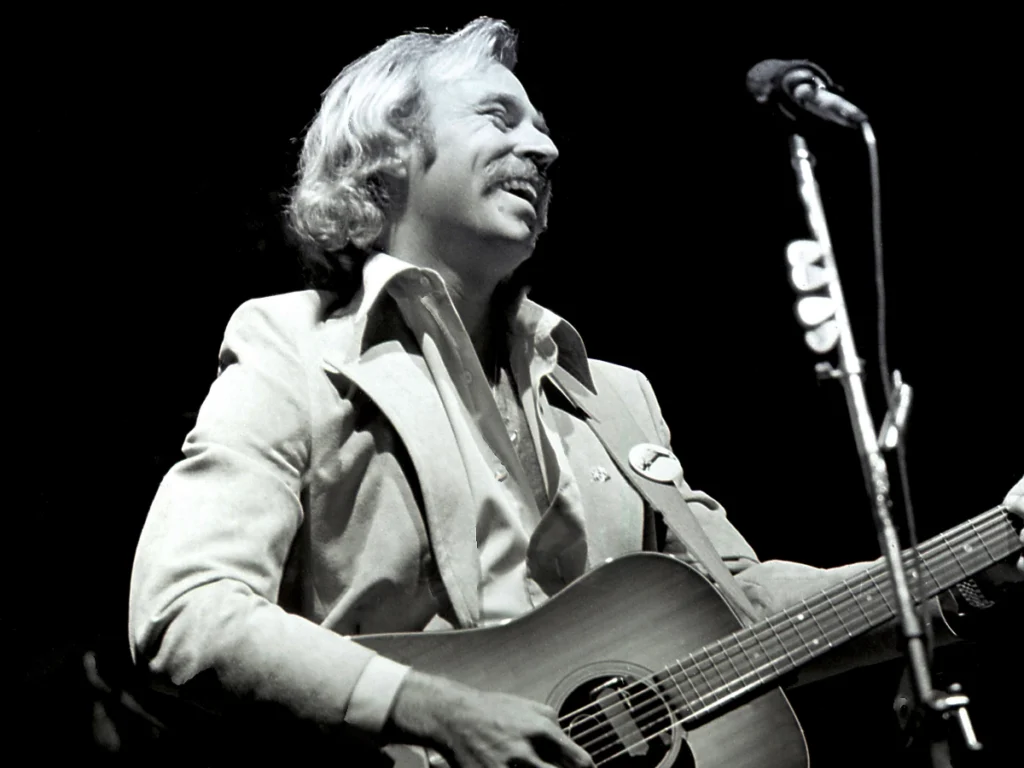
Over the course of Buffett’s storied career, songs like “A Pirate Looks At Forty,” “Floridays,” “Havana Daydreamin’,” and of course, “Margaritaville” were all heavily inspired by Key West’s characters, lifestyle and the escapism of the island.
Over the following decades, Buffett turned from a struggling singer-songwriter into one of the most popular American musicians of his generation. Not only did he sell over 20 million albums worldwide, the Margaritaville brand—which included restaurants, hotels, resorts and casinos—made him a billionaire.
Buffett, who died Sept. 1, 2023, wasn’t alone on this journey. As he gained a bigger following in Key West in the mid-1970s, he formed the Coral Reefer Band to record and play his music live. “Occupational Hazard: The First Coral Reefers” is a new feature documentary that tells the story of the original members of the Coral Reefers (the name a nod to their love of marijuana) as well as celebrating the creativity, sound and debauchery of Key West.
“Key West in the ’70s, it was like the Wild West back then,” explains John H. Cunningham, the director of “Occupational Hazard” who has lived in Key West since the end of that decade. “At that time in Jimmy’s life, that was the perfect vibe. There was the water and the simplicity of life in Key West.”
“Occupational Hazard: The First Coral Reefers” also has the ideal narrator through the voice of Jeff Bridges. The Oscar winner had been friends with Buffett since 1975, when the pair worked on the comedy “Rancho Deluxe.” After Cunningham connected to the legendary actor through their mutual friend Robert Duvall, Bridges immediately agreed to honor Buffett.
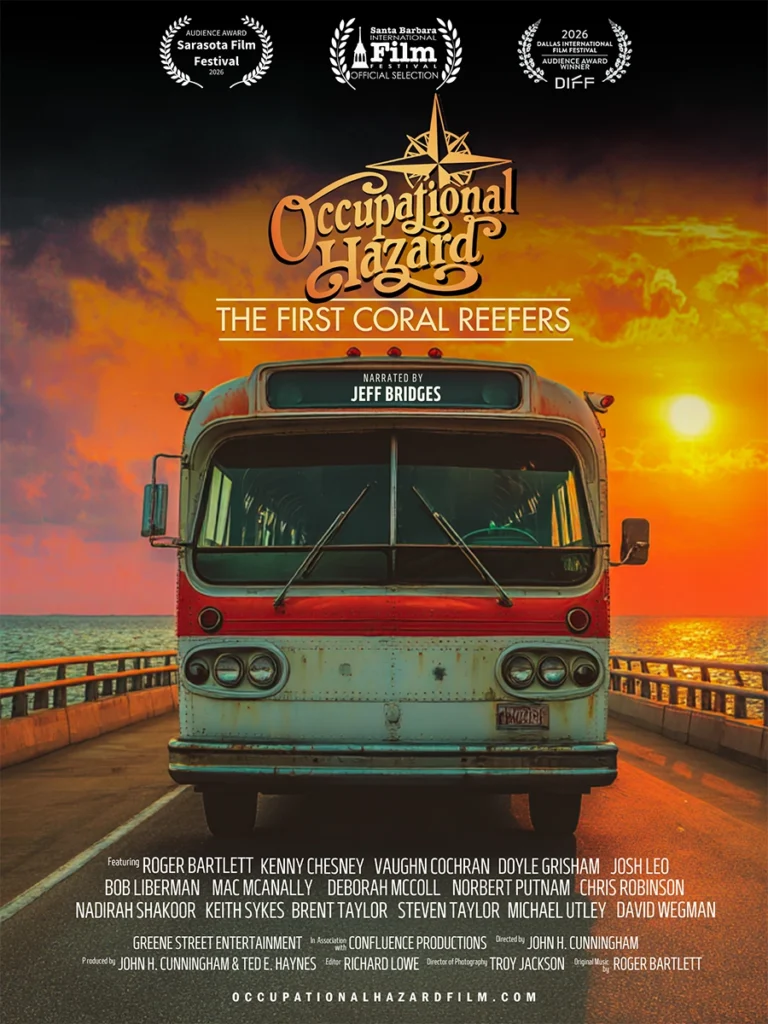
While Cunningham provided Bridges with a scripted voiceover to perform, the director also encouraged him to just be himself and add any insight he had on Buffett. “That led to some really poignant moments and riffing, which was exactly what we wanted,” Cunningham says. “We didn’t want him to just play a part and read the script. We wanted Jeff to experience it.”
Cunningham first saw Jimmy Buffett and the Coral Reefers perform when they opened for the Eagles in Washington, D.C., in 1977. When he moved down to Key West that next year, Buffett became ever-present in his life. “I saw him live a whole bunch of times, met him, met his family members and bandmates. He’s been the background music to my life and my kids’ life.”
Cunningham—who is also the best-selling author of the “Buck Reilly Adventure Series”—even wrote songs with former members of the Coral Reefers, including Roger Bartlett, the band’s original guitarist. After meeting producer and fellow Floridian Ted E. Haynes at the Key West Film Festival in 2018, the pair also struck up a friendship, discussed potential projects, and attended filmmaker conferences together.

It was at the end of September 2024, while Cunningham, Haynes and Bartlett were at a writers conference in St. Petersburg, that the trio first considered a documentary on the Key West music scene of the 1970s. More than that, they wanted to celebrate the history and craftsmanship of the Coral Reefers, especially since most music fans knew little of the band’s members.
Rather than taking time to think about how the film might take shape, or if there was even enough material to make the documentary, the trio set out to find a crew to film the members of the Coral Reefers within a week.
“This is not your parents’ Jimmy Buffett story.”
—John H. Cunningham
That’s because the inaugural Sing 4 Fing charity event was being held in Nashville, Tennessee, on October 5, 2024, to celebrate the life and work of Greg “Fingers” Taylor, the harmonica player in the Coral Reefers. “We knew a lot of the people we would want to speak to were going to be there,” says Haynes. “That’s where we got a large chunk of our interview footage. But let me tell you, getting ready and prepared in a week is not the way you approach making a feature film.”
After filming over 25 hours of interviews, Cunningham and Haynes collaborated with “Occupational Hazard’s” editor Richard Lowe to whittle the film down to its 92-minute running time.
They always knew they wanted to depict the lifestyle of Key West, the impact of its music scene, as well as celebrating it for being “the end of the road place for end of the road people,” says Haynes.
Before Margaritaville, There Was Key West
When Buffett initially arrived in Key West, it was primarily known for being the home to writers like Ernest Hemingway, Truman Capote and Shel Silverstein. “It really wasn’t a big music town,” says Cunningham. But as soon as Buffett put his feet in the sand, smelled the ocean, and felt the warmth of the 85-degree sunshine, that’s when he began to develop the Key West sound.
“We wanted to capture his emergence and portray that time in the ‘70s when Jimmy was starting out, how much he loved Key West, and just really how it impacted him.”
It was particularly vital to show how much Buffett adored Key West—and how he only wanted what was best for the island—because over the years “some people think he’s to blame for the tourism and say that he didn’t appreciate Key West,” says Cunningham. “That couldn’t have been further from the truth. He loved Key West. He came back there in the last six months of his life and played four shows. It was very important to him. That’s why we wanted to show the Key West of that period as a character in the film.”
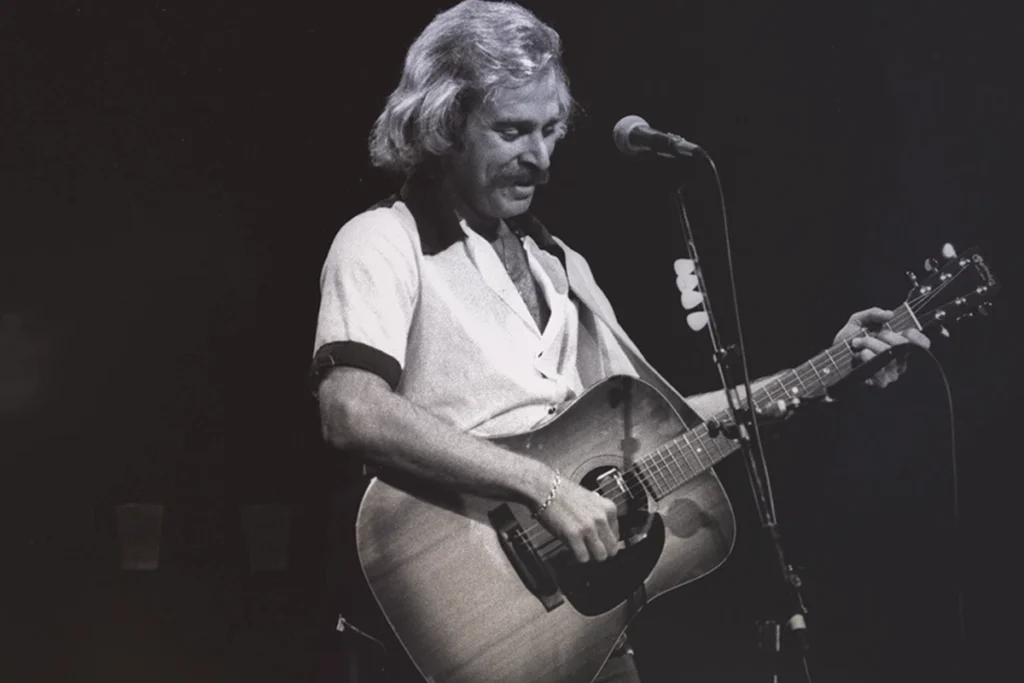
During the editing process, though, Cunningham, Haynes and Lowe realized that a recurring theme of their interviews was the former Coral Reefers admitting they took the drinking, partying and drug use that came with their success to the extreme. According to one woman interviewed in the film, they had more liquor on their rider than “Led Zeppelin and the Rolling Stones.” But, Buffett had begun pulling back on the hard partying.
“They talked about how they all met, their journey together on the road, the fun they had, and maybe having a little too much fun toward the end,” says Cunningham. “That’s when Jimmy had to make a decision, because he was opening for the Eagles, traveling around the country, and being managed by Irving Azoff. Life was pretty good. He wanted to continue it, so he had tough decisions to make.”
Cunningham expects viewers who only remember Buffett as the performer he became in his 50s, 60s and 70s to be shocked by what he and the Coral Reefers got up to in the formative years.
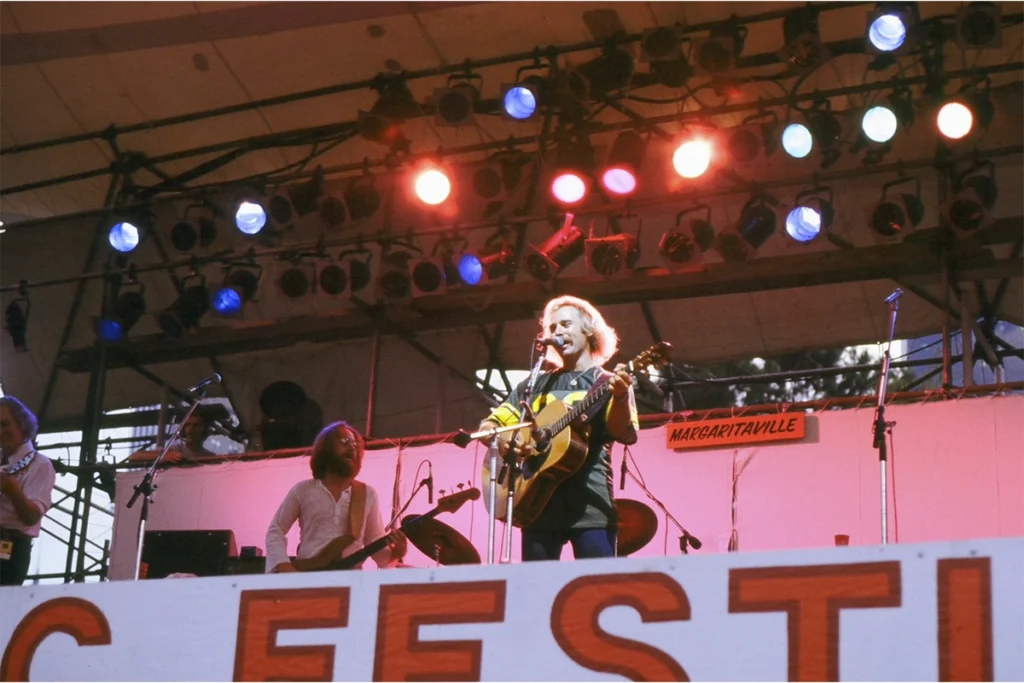
“This is not your parents’ Jimmy Buffett story,” Cunningham says.
But as “Occupational Hazard” begins its cinematic journey, which includes a screening in Key West on Sept. 5, 2026 to coincide with Jimmy Buffett Day on Sept. 4, Cunningham is hopeful theaters will be full of music fans wanting to learn more about the Key West sound and Parrot Heads singing, dancing and celebrating Buffett.
“It’s not just for Jimmy Buffett fans,” insists Cunningham. “If you like Key West, if you like music, if you like music in the ’70s, if you’re a musician, there are so many good stories in the film to hear. But especially if you love Jimmy Buffett, we want people to gather, remember and love him in a group.”
“Occupational Hazard: The First Coral Reefers” will be released in any area of the country where there’s a big Jimmy Buffett following, while it’ll screen in multiple locations around Florida until the end of October, with a planned video-on-demand release shortly after.