by | March 26, 2026
A Conversation With Oystercatchers Chef Shelby Farrell
Chef Shelby Farrell on Gulf seafood, family and taking over a Tampa classic
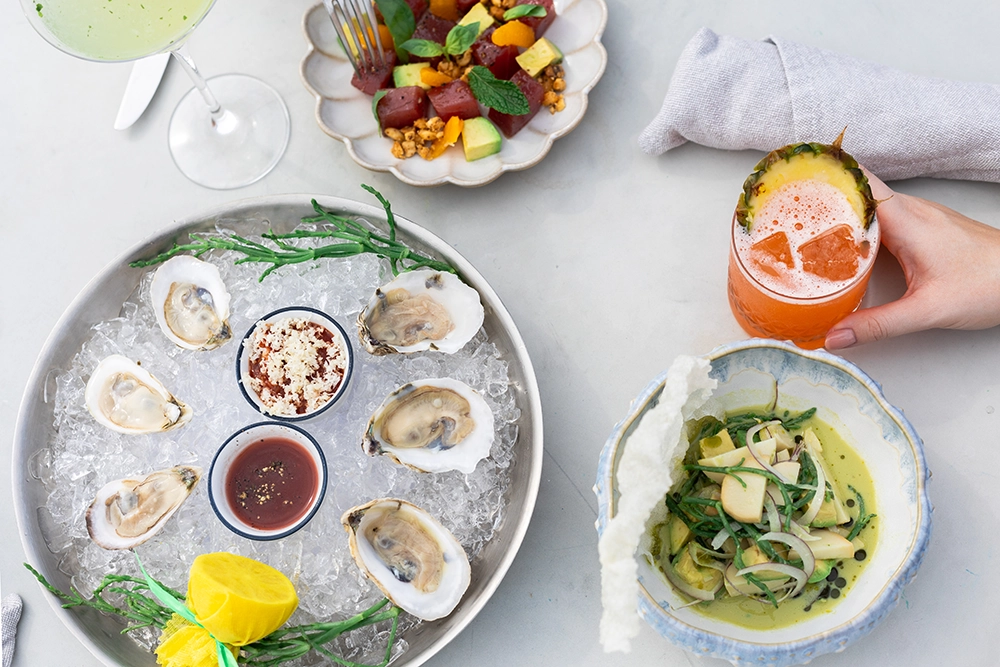
Shelby Farrell grew up on Gulf seafood, learned old-world Italian cooking from her Nonna and now runs the kitchen at Oystercatchers in Tampa. We recently caught up with Farrell to talk about growing up in the Panhandle, food waste, rebuilding a legacy restaurant and why this next chapter feels like a real turning point.
Growing up in the Florida Panhandle, how did food play a part in your day-to-day?
SF: Growing up alongside the beauty of the Emerald Coast was an amazing experience, and having access to the bounty of the Gulf had a massive influence on my culinary style. I grew up in Niceville, a town best known for the Mullet Festival, and no, that’s not in honor of the hairstyle. It celebrates the locally loved but often misunderstood mullet fish. There was a lively local fishing culture that ensured local restaurants always had a great selection of fresh, locally caught seafood, with options I probably wouldn’t have had access to otherwise. Beyond mullet, pompano, amberjack, sheepshead and tripletail were all readily available—fish that I now love to feature on menus because they are so infrequently seen in Central Florida.
Tell me about your family life growing up.
SF: I grew up in a military family, which meant we moved often in my younger years and weren’t always close to (extended) family. That made family time even more special and valuable. Time spent with my extended family in Ocean Springs, Mississippi—where I first learned to cook old-world Italian cuisine with my Nonna, and later worked my first kitchen job at my uncle’s restaurant, Kenny Ward’s—was massively influential in shaping the chef I am today.
You’ve said helping your grandmother cook is one of your earliest memories. What did she teach you?
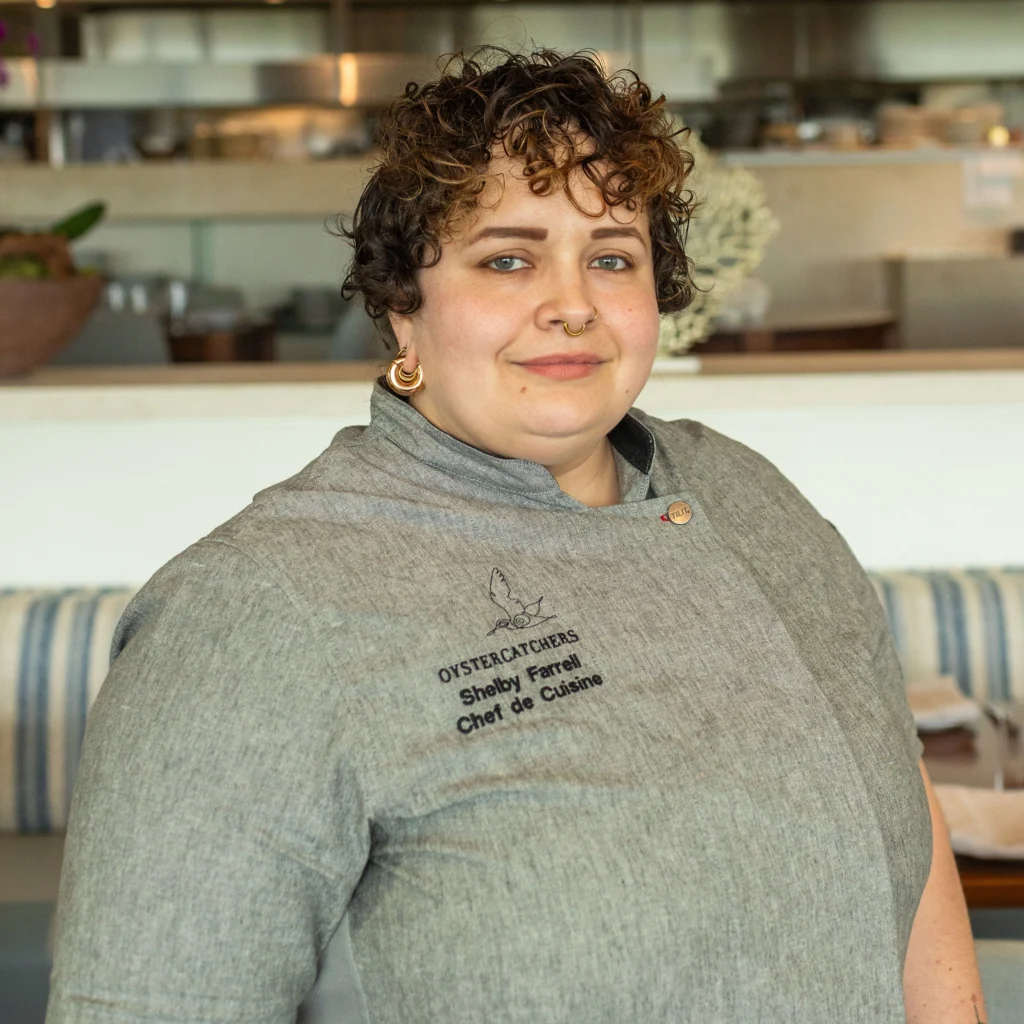
SF: Many dishes I learned to cook with my Nonna still find their way into my personal rotation, but what shows up in my cooking now is more a practice than a recipe. My Nonna grew up during the war in Naples, (Italy,) a time when money and food were scarce, to say the least. Growing up, wasting food was still a hot-button issue for her, and reducing waste is a personal ethos I carry to this day. Waste in restaurants is one of our greatest sins, and I find so much fulfillment in reducing it, whether by donating oyster shells to our local partner, Tampa Bay Watch, to help restore local waterways, turning yesterday’s service bread into croutons or turning overripe fruits and vegetables into pickles and preserves. I’m always looking for ways to reduce the restaurant’s footprint.
You were young when you started working in Gulf Coast seafood restaurants. What did those kitchens teach you?
SF: They taught me the fundamentals of cooking and seafood preparation, like how to break down whole fish, get the perfect sear on a scallop and spot seafood that’s past its prime from a mile away. They taught me how to season with my heart and cook with soul. It was only years later, after establishing myself as a chef in Orlando, that I found my own style, melding the lessons and flavors I’d learned back home with the techniques, ingredients and traditions of the food cultures I studied and experienced firsthand while working in hotels with chefs from all over the world. This new perspective, drawing from all sides of my experience, is what ultimately defined me as a chef.
They taught me how to season with my heart and cook with soul.
—Chef Shelby Farrell
What’s a big moment that really changed your trajectory?
SF: The closing of the first restaurant where I held the title of chef was truly a defining moment. At the time, it was heartbreaking. I was running Hemisphere, a since-reopened international wine bar on top of Orlando International Airport, where I had my name on the door and carte blanche creative license to make food from any culture I desired. Like so many others, the restaurant closed due to COVID 19, and I found myself searching for the next right fit until the opportunity that changed my culinary trajectory came along. I was presented with the chance to partner with Hyatt and Chef Richard Blais to develop and open Four Flamingos in Orlando. It was at Four Flamingos that I really made my name as a chef, earning a place in the Michelin Guide, being rated one of the top restaurants in Orlando year after year, and having my name associated with a great chef like Blais. If Hemisphere hadn’t closed, I never would have been looking, and who knows where my career would be today.
What were the big challenges in taking over at Oystercatchers in 2024?
SF: Coming to Tampa meant leaving my home of 15 years, which was a huge personal hurdle. I moved to Orlando in 2008 for college and never left, and the city had become the longest place I’d called home. Everyone and everything I’d known as an adult was in that city, and though Tampa is just a stone’s throw down I-4, coming here meant starting over in almost every way.
Oystercatchers has a 40-year legacy in Tampa. What has it been like trying to run something with that much history and expectation, while also making it feel like yours?
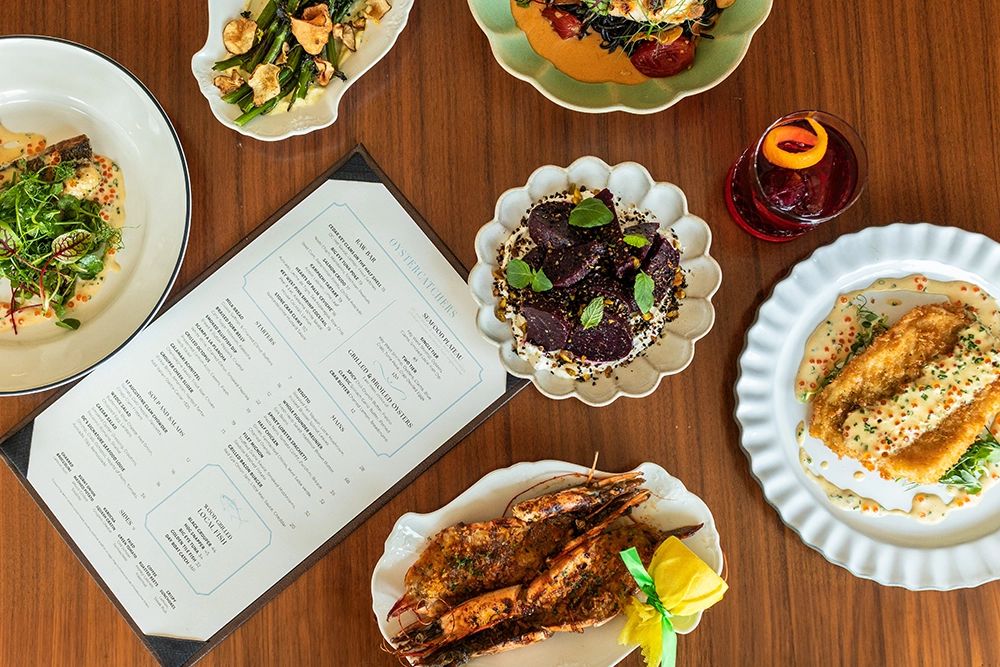
SF: Running a legacy restaurant comes with its own set of unique challenges. You have to find this elusive pocket between upholding preconceived expectations and staying relevant and interesting. I was lucky that the direction asked of me aligned so well with my personal style. In addition to reigniting the famous Sunday brunch buffet, I was tasked with rewriting the menu to bring the restaurant back to its roots, refocusing on Southern coastal flavors and locally sourced seafood after it had gradually drifted toward more Italian-influenced offerings over the years. This allowed me to create a menu that reflected what people want from Oystercatchers while leaving room for my own style to comfortably find a home here.
When you look at the menu and the kitchen right now, what are you most excited about?
SF: I’m excited that we’re offering the seafood restaurant experience Tampa was lacking: a place truly focused on providing top-quality, fresh products, accessibly packaged, scratch-made and cooked with passion and love. We are continuing to push ourselves to provide the best experience possible and to expand our offerings to ensure we’re meeting guests’ expectations, with some soon-to-launch additions, including more non-seafood options, build-your-own grilled seafood dishes and the return of the much-missed whole fried snapper.
About the Author
Eric has been a journalist in Florida for two decades, including stints at newspapers in Fort Pierce, Stuart and Sarasota. His role at Flamingo includes everything from interviewing chefs to first-line editing on cover stories and penning our monthly culinary newsletter, Key Lime.