by | January 13, 2026
Here’s Why It’s Raining Iguanas in Florida
Cold temps stun the non-native reptiles—and cause chaos
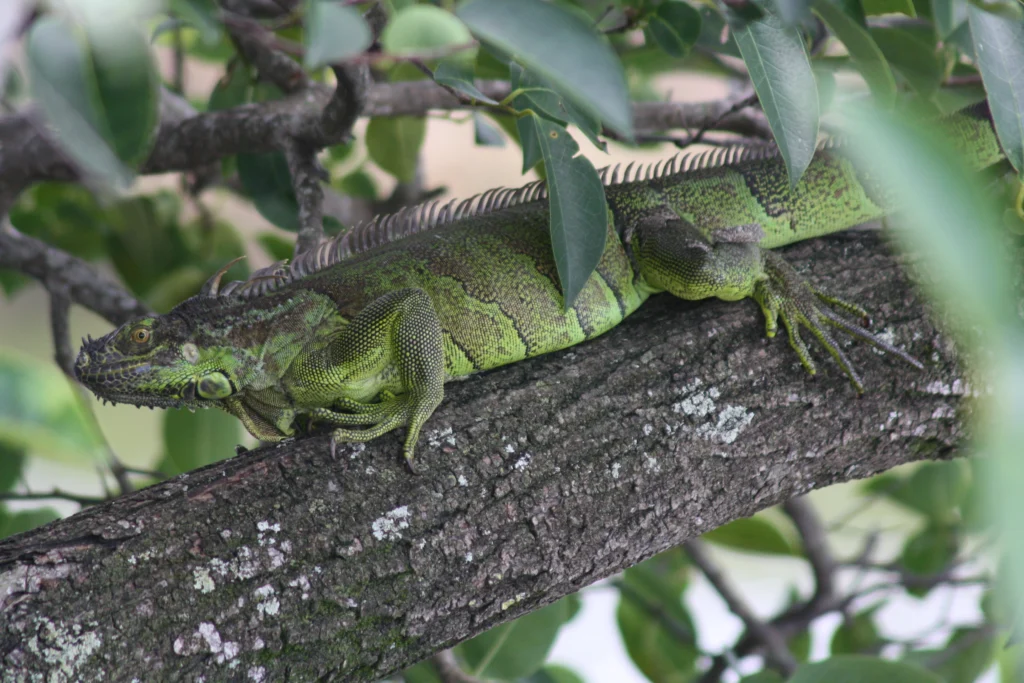
When temperatures drop, it’s not snowflakes that fall in South Florida, instead, an entirely unique winter hazard begins plummeting to the ground: hefty green iguanas.
“They will appear dead,” says Natalie Claunch, a postdoctoral researcher at the University of Florida, where she studies stress on invasive reptiles. “You might mistakenly think, ‘Oh, it’s a cold body. This animal’s not alive.’”
Green iguanas are not native to Florida, and their reaction to a South Florida cold front proves it—when temperatures dip into the 50s and 40s, a reptile rainstorm ensues. Iguanas, like all reptiles, are ectotherms, meaning their body temperature depends on external heat. In cold weather, their metabolisms slow down, and the critters can become stiff and lose their grip on the trees they frequent.
But don’t call them frozen. “They’re not freezing—these kind of cold stun events happen above freezing temperatures,” says Claunch, who refers to the iguana’s plight as a sort of comatose state. “They’re very much alive. If warmed back up, they will perk back up and respond.”
Iguanas have called Florida home in sizeable numbers since the mid-1960s, when released and escaped pets found the near-tropical climate at the southern end of the state inviting and free of competition. Though they’ve been here longer than many current residents, today’s iguanas remain only partially adapted from their Central and South American forebears.
“Across hundreds of thousands of years, these animals adapted to warmer temperatures,” Claunch explains. “But now that they’re established in an area where these cold events do occur, although it’s not often, these lizards don’t have the same capacity for cold tolerance as some of the native species do.”
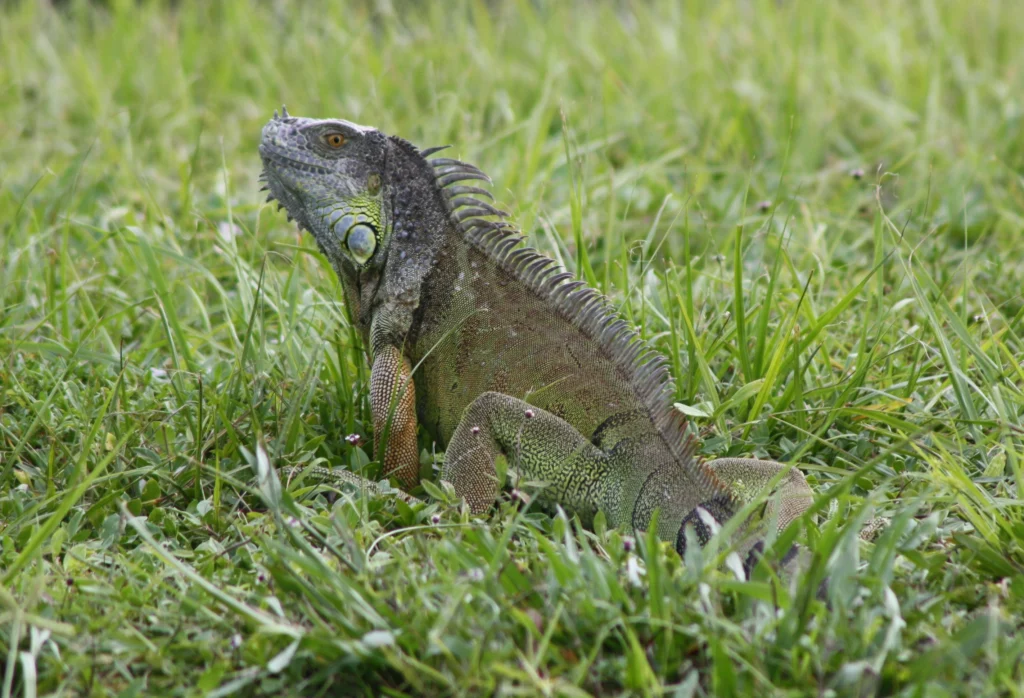
Watch for Falling Iguanas
Not every falling iguana is a cold-weather casualty. Heed the “watch for falling iguanas” warnings year-round: last year, one reptile plummeted onto a man’s face as he entered savasana during an outdoor yoga class in a Miami park—not because of the cold, but after a dust-up with another tree-dwelling iguana.
When iguanas do fall from cold-stunning, they risk dying if they aren’t able to warm up. But more often, the greater danger is human intervention. Well-meaning passersby sometimes pick up the motionless reptiles, assuming they’re dead or in need of help.
“If people grab a bunch of them and put them in their trucks, and then they warm back up, they come back to life,” Claunch says. Suddenly, what seemed like a harmless rescue becomes a 17-pound lizard thrashing around a back seat. With powerful tails and sharp talons, iguanas can inflict serious injury. Just ask the yogi.
The best option is to leave them alone. Cold snaps help keep the invasive species from moving farther north, and as the ground absorbs heat throughout the day, most stunned iguanas will gradually revive—returning, sluggish but alive, to the treetops of South Florida.
For more about Florida’s rambunctious wildlife, click here.
About the Author
Helen has an aptitude for finding alligators and a passion for covering the weird and wonderful of Florida. The Tallahassee native graduated with her bachelor's degree from the Medill School of Journalism at Northwestern University. At Flamingo, she helps organize advertising and write stories (usually about Florida's fantastic fauna).