Share This Story
Alachua County may be best known for the city of Gainesville and the University of Florida, with its sprawling campus, charming downtown and packed stadium. But beyond the college-town bustle and football fandom lies a landscape of wetlands, swamps, rivers and springs—and a community working to protect it.
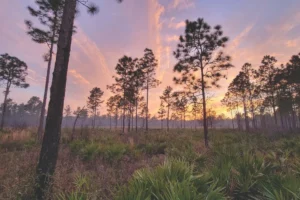
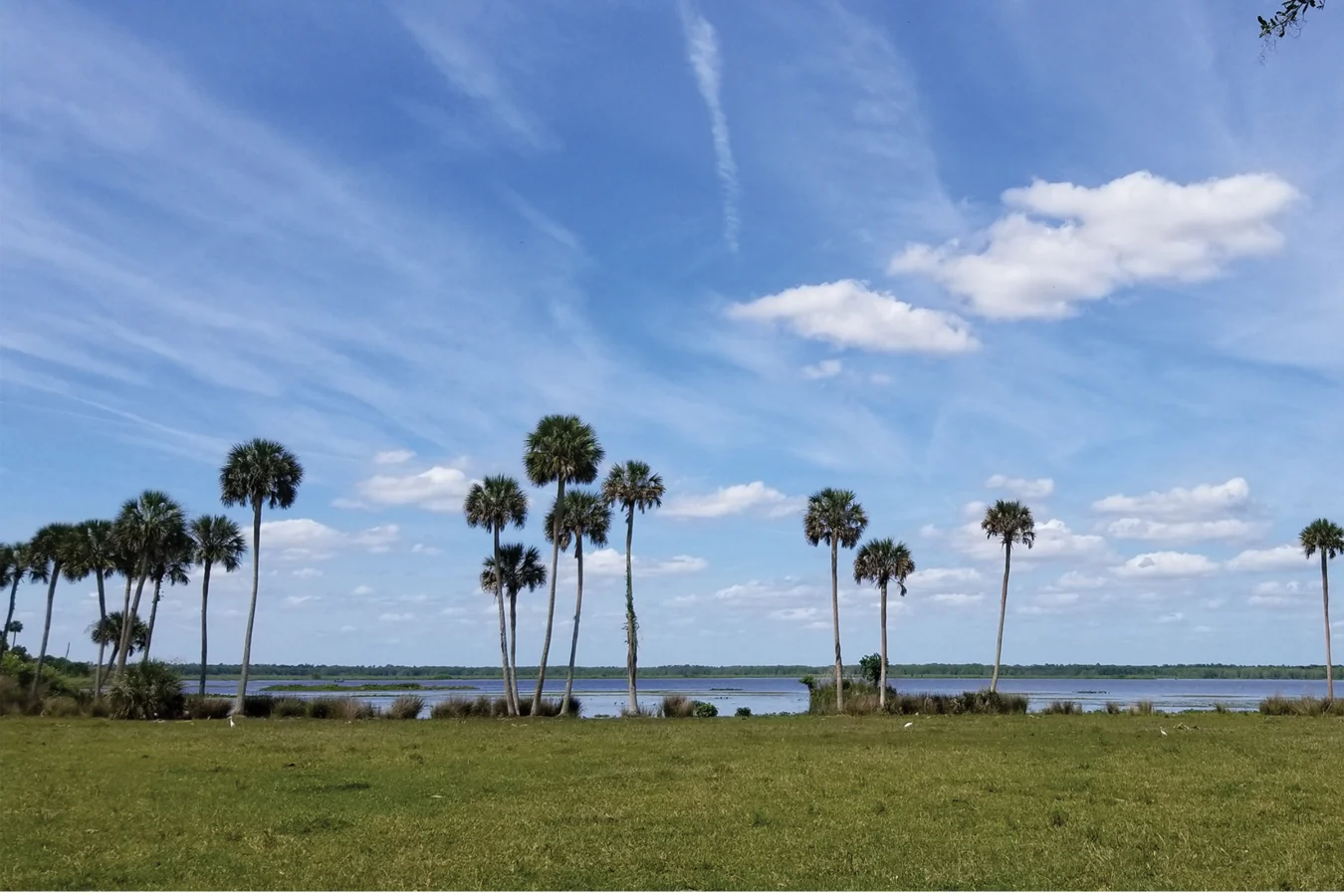
The Lake Alto Preserve. Photography courtesy of Alachua County Staff
Alachua County Forever, the county’s land conservation program, identifies, acquires, protects and manages environmentally significant land. Founded in 2000, it has hit some major milestones along the way: Through the program, more than 36,000 acres of land have been protected, including 10 farms and 23 nature preserves. But possibly the most inspiring part of their story is how the community has come together on the issue of conservation. Four times in the past 26 years, Alachua County voters have headed to the polls to approve this effort, currently through the Wild Spaces and Public Places surtax, which helps fund land conservation and other countywide improvements.
“Think globally, act locally,” says Andi Christman, the environmental protection manager of Alachua County Forever. “It is a very tangible local action that our community has taken to protect the rural and natural character of their home. With the recent expansion of our farmland protection efforts, we are now also working to safeguard local food production.”
The numbers are impressive, but the program’s impact is perhaps best illustrated by the landscapes it protects.
Connect With the Corridor
In southeast Alachua County, Lochloosa Slough Preserve spans over 6,300 acres of historic pine forests and diverse wetlands, making it the county’s largest nature preserve. Alachua County Forever acquired the land through four transactions to protect the unique habitat, which includes a forested waterway known as a slough.
Its pocket wetlands provide surface water and flood protection, as well as a home for native wildlife. Lochloosa Slough also forms part of the Florida Wildlife Corridor, a statewide network of connected habitats prioritized for protection to give wildlife room to roam as development reshapes the environment.
“Once you sever a tie in a long, delicate string, retying the string back together is extremely hard,” Christman says, describing the importance of keeping the corridor connected. “It’s even harder when habitat is severed by a high-speed road that wildlife has to cross.”
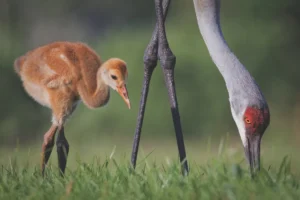
Sandhill Cranes are frequently found on the preserve. Photography courtesy of Michael Drummond
Explore the Fruits of Their Labor
Alongside providing environmental protection, the preserved land gives residents access to natural spaces. “It’s well understood the positive impacts on mental health when people have the opportunity to get into nature,” Christman says. “We work to protect places that our citizens can experience and explore.”
See the program’s impact for yourself. At Barr Hammock Preserve, hardwood and pine forests meet a vast basin marsh. The 5,975-acre preserve’s uplands and wetlands help protect water quality and wildlife habitat, while offering 24 miles of multiuse trails for hiking, biking and horseback riding.
Watermelon Pond Preserve protects 1,400 acres on the northernmost tip of Florida’s ancient sand dune system, providing aquifer recharge and sheltering an abundance of rare and endangered plants and animals, like burrowing owls, the only owl species that makes its home underground.
For a taste of North Florida’s legendary freshwater springs, head to the Santa Fe River in north Alachua County. Fed by the springs, the river even disappears underground along its course. Alachua County Forever has made 13 acquisitions to protect land around the river, helping safeguard drinking water resources and a place to take a paddle or dip in the process.
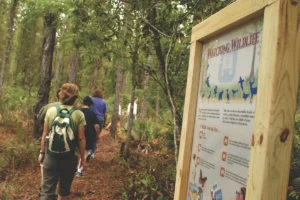
Set out on a hike through the Phifer Flatwoods Preserve. Photography courtesy of Alachua County Staff
Find preserves to explore and learn how to support local conservation efforts at alachuacounty.us.