by | September 23, 2026
Miami’s Lengua Conference Brings More Than Just Food to the Table
In Miami, a growing gathering called Lengua is helping chefs, restaurateurs and food enthusiasts define what the city’s culinary future might look like.
In the restaurant industry, meaningful conversations rarely happen at noon; they usually come up after service around 1:30 a.m., in dimly lit bars and over a few too many drinks. So when chefs, restaurateurs, journalists, beverage directors, farmers and hospitality professionals gathered this year for the fifth edition of Lengua, the atmosphere felt different.

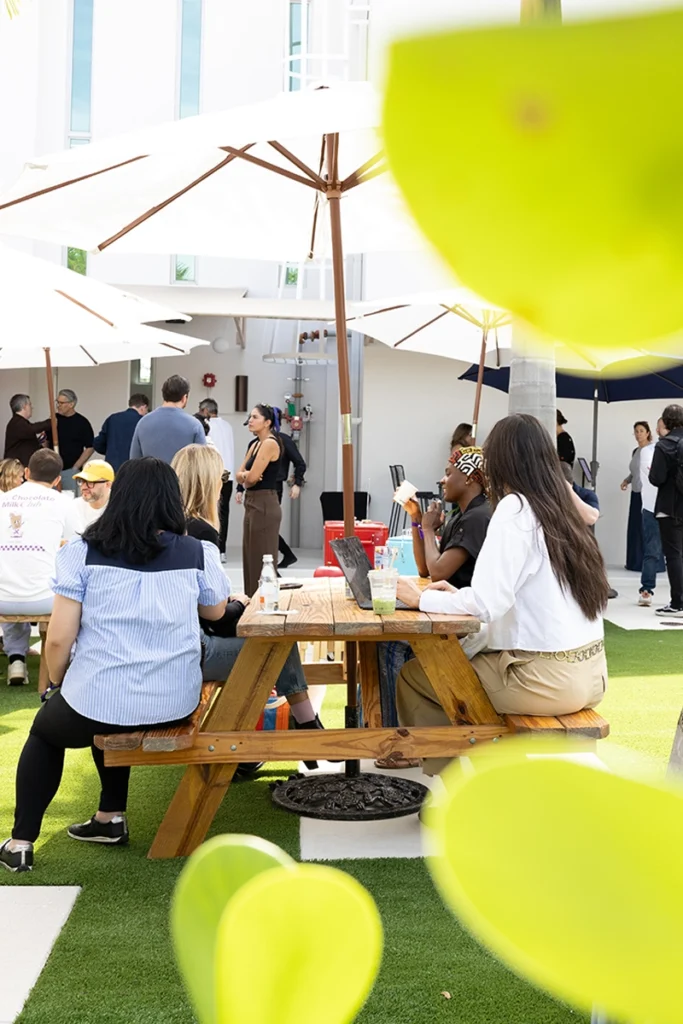
At Sanctuary MiMo, a design-focused event space tucked into Miami’s historic MiMo District, attendees drifted between panel discussions and shaded outdoor conversations, fueled more by cafecito than cocktails. Held in April this year, there were no tasting tents, celebrity chef demos or late-night parties. Instead, people lingered after sessions to debate restaurant culture, discuss immigration’s influence on Miami cuisine and consider where the city’s food scene might be headed.
“It is not only nice to have a gathering such as Lengua here in Miami,” says James Beard Award-winning Florida chef and author Norman Van Aken, “it is important.”
That stance reflects a broader shift taking place in the city. For years, its dining reputation has been tied to spectacle: over-the-top dining rooms, celebrity-backed restaurants and menus teeming with Instagram bait.
Even as national recognition followed—including when the Michelin Guide began rating Miami’s restaurants in 2022—many local chefs said they felt something was missing. The city had become a food destination. But did it have a true food community? Lengua was created to help answer that question.
Beyond What’s on the Plate
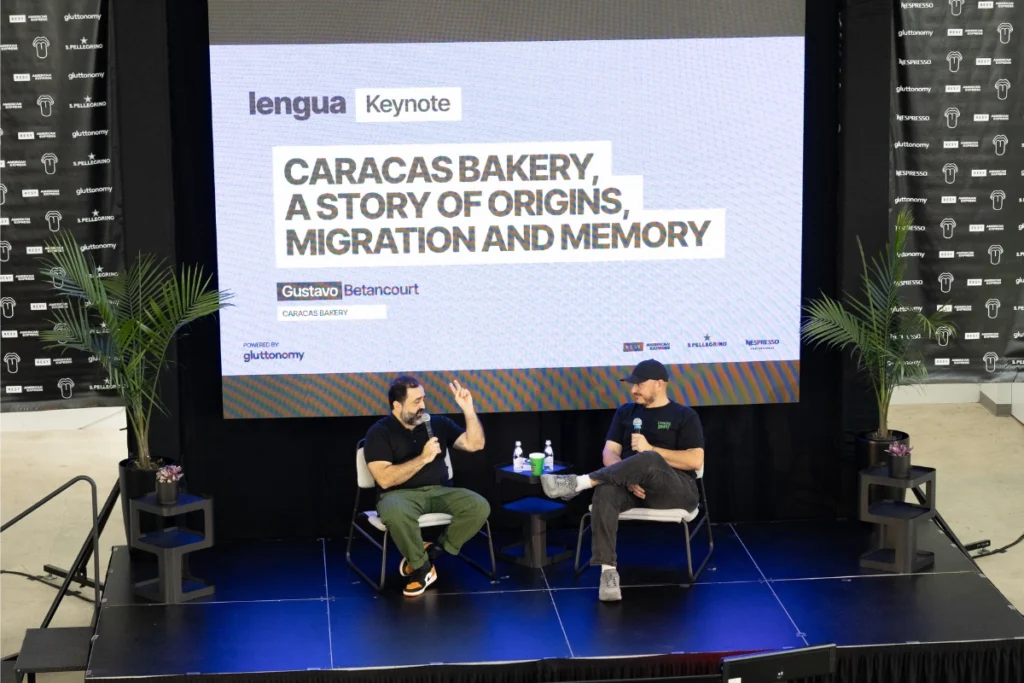
Founded by Miami restaurant strategist Nidal Barake, the two-day gathering brings together a diverse cross-section of food enthusiasts for discussions that explore the forces shaping Miami’s ever-evolving food culture. While billed as a “food business conference,” Lengua also welcomes guests from outside the industry. This year’s theme, “Origins,” encouraged participants to examine how personal, cultural and geographic influences inform how they cook and create.
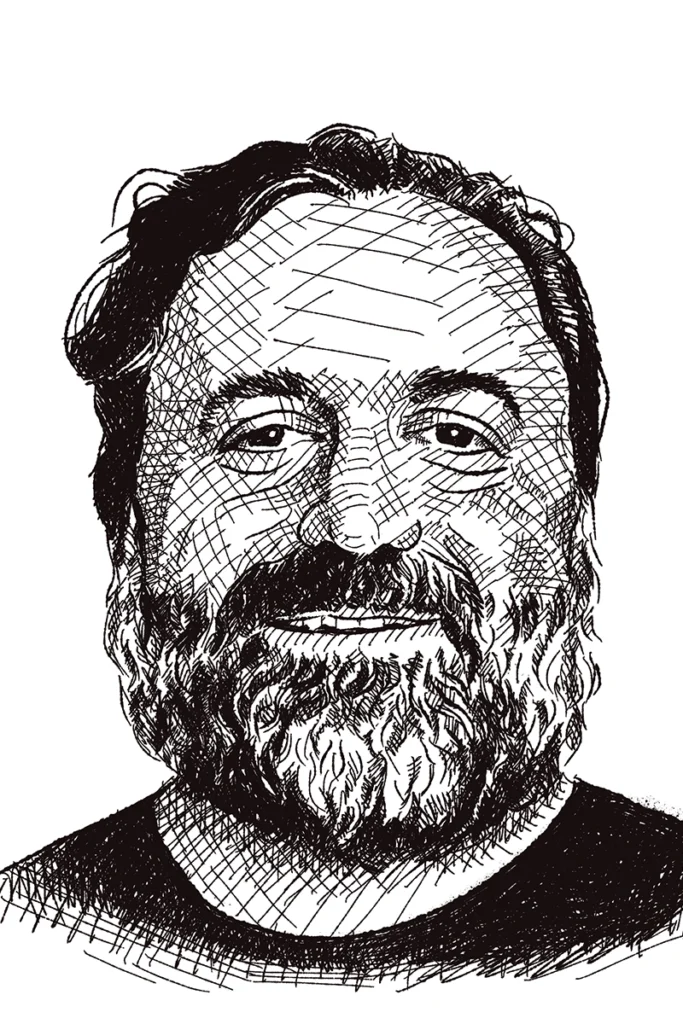
“When I looked at Miami and its potential as a culinary city,” Barake says, “I felt that growth needed to be supported by something similar—a space where people could learn from one another, exchange experiences and build a sense of community.”
The idea came to Barake after attending conferences around the world. Miami already had successful consumer-facing food festivals and tasting events. What it lacked, he felt, was a dedicated forum for reflection, mentorship and meaningful industry conversation.
Events like the South Beach Wine & Food Festival excel at connecting consumers to big-name chefs and restaurants. Lengua serves a different purpose. It was designed less as a celebration of what’s on the plate and more as an exploration of the people and ideas behind it.
The name itself hints at that mission. Lengua—Spanish for “tongue”—refers both to taste and communication. Eating and storytelling. Food and conversation.
For chef Paola Carlini, a longtime participant and Barake’s wife, that dual meaning captures the spirit of the event. “In the very first conversation I had with Nidal, he told me about this idea he had for a food gathering in Miami,” she says. “He saw the need for a space for these kinds of conversations and was eager to provide that for our city and community.”
What drew me to Lengua was its focus on people, identity and storytelling, not just what’s on the plate
—Marcus Samuelsson
That vision for Lengua has expanded beyond what Barake initially imagined. In addition to Van Aken, this year’s attendees included internationally recognized chefs Marcus Samuelsson and Virgilio Martínez. Rising local talent, including Luciana Giangrandi of Walrus Rodeo and Boia De, as well as Maria Teresa Gallina of Recoveco, also attended. Rounding out the rest of Lengua’s speakers were restaurateurs, journalists and hospitality entrepreneurs such as Lotta and Per-Anders Jörgensen of Fool Magazine, based in Sweden, Will Thompson of Sunny’s Steakhouse in Miami and food author and podcaster Andrew Friedman. Conversations ranged from preserving culinary traditions to navigating rapid growth, technological change and shifting diner expectations.

What united them was a shared belief that Miami’s food story has become more complicated, and more interesting, than what’s reflected in national media or at splashy fests like the South Beach Wine & Food Festival.
For Samuelsson, the chef and restaurateur behind Red Rooster, with locations in Harlem and Miami’s Overtown neighborhood, that complexity is exactly what makes South Florida one of the country’s most compelling food regions.
“What drew me to Lengua was its focus on people, identity and storytelling, not just what’s on the plate,” says Samuelsson, who delivered a keynote address during this year’s event about turning to one’s roots and heritage for culinary inspiration. “It felt like a space where migration, memory and culture were celebrated as sources of creativity and innovation.”
Those themes resonate especially strongly in Miami, where waves of immigration have shaped neighborhoods and culinary traditions for generations. Cuban, Haitian, Venezuelan, Colombian, Argentinian and numerous other influences coexist, creating a dining landscape that is in constant evolution.
“South Florida has become one of the most exciting food regions in the country because chefs are embracing their roots and cultural perspectives more confidently,” Samuelsson says. “You’re seeing more crossover between food, music, art and community.”
Miami’s Food Scene Matures
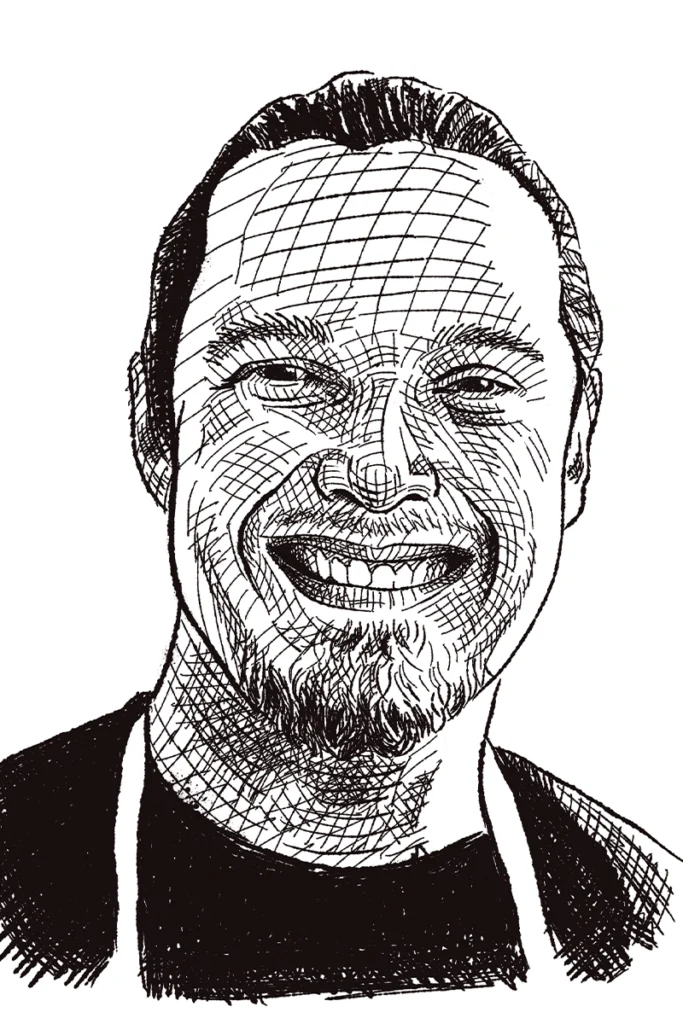
For Michael Beltran, chef and owner of Ariete Hospitality Group, whose award-winning portfolio of Miami restaurants includes Ariete, Chug’s Diner and Café Laurel, Lengua represents something equally significant: evidence that his city’s food scene is beginning to grow up.
“I hate using the word networking because we’re not tech bros,” Beltran says with a laugh. “But the networking aspect was huge. Having those conversations at noon over coffee actually shows the maturation of the city. It’s like Miami’s finally old enough to have these conversations.”
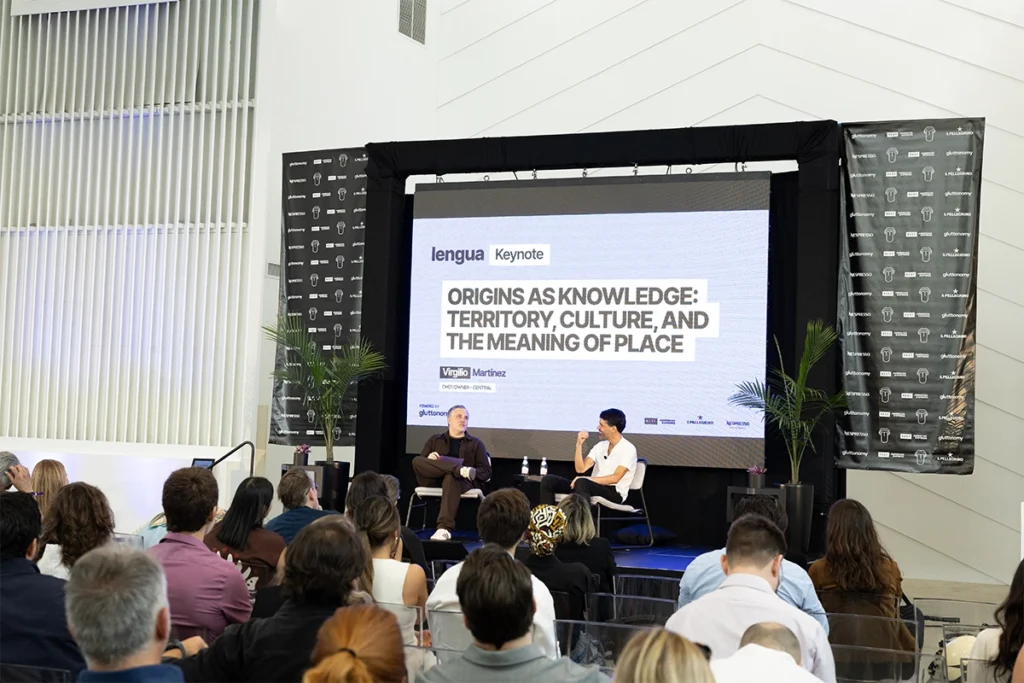
Rather than debating trends or chasing the next viral moment, Lengua speakers often focused on legacy and cultural stewardship—topics that emerge when a food scene begins thinking and talking about what it wants to become. During the “Origins” program, speakers also returned to themes of heritage and place. Chefs discussed family recipes carried across borders, the responsibility of preserving culinary traditions while adapting them for new audiences and the ways immigration continues to reshape what diners think of as Miami food.
Conversations about technology and growth often circled back to one central question: How can Miami mature without losing the cultures and communities that made its food scene distinctive in the first place?
“Lengua isn’t just, ‘Let’s all meet somewhere, pay too much for a ticket and get [messed] up all day,’” Beltran says. “It has texture. It shows the real fabric of a city that’s grown a lot and is continuing to grow and that wants to be part of an actual conversation about food instead of just having a party.”
Texture is a word Beltran uses frequently when discussing Miami. For him, it represents the city’s quieter, under-the-surface layers that are often obscured by aesthetics and excess. “When you really dig deep, beyond the clubs that dress up as restaurants, you realize Miami has great food—and not just great food, but great humans behind it,” he says. “People honoring their craft, their culture, their families and trying to make the city proud.”
Miami’s food evolution was on full display during the Lengua conversation between Beltran and Van Aken, moderated by Friedman. Van Aken, 75, is one of the original “Mango Gang” chefs who helped define South Florida’s tropical-tinged food scene in the early 1990s. He continues to be a mentor to Beltran, 41, who landed a prep-cook job at Van Aken’s 180 in Coral Gables fresh out of college.
“Despite being new to our crew, he stood out,” Van Aken says of Beltran. “Though being practically silent in those early months, he said what could be said with his work ethic.” Van Aken reflected on a time when South Florida chefs were fighting for recognition from national food media that often overlooked the region. He remembers how, over the next several decades, Miami exploded into a hotbed for high rollers who wanted in on the action, bringing newfound media attention with them.
Chefs are becoming more confident in who they are and what this cuisine actually is, and guests are becoming more willing to take that plunge with us.
—Michael Beltran
Beltran described the current challenge as he sees it: maintaining a sense of local identity amid an influx of outside investment, imported restaurant concepts and hospitality groups with little connection to Miami’s cultural history. He talked about setting up his cooks and managers for success so that they can advance both within his restaurant group and on their own.
Beltran and Van Aken’s conversation underscored how chef proteges like Beltran—who once looked to pioneers like Van Aken for validation—are becoming mentors of the next generation, helping craft the city’s next food chapter.
“Lengua gave local chefs and journalists a forum to join in a common-ground conversation on how we navigate these ever-shifting tides,” Van Aken says.
Somebody Actually Knows Good Food
Over the years, Lengua’s audience has increasingly included people from outside the restaurant industry while attracting corporate sponsors like Resy, Sanpellegrino and Nespresso. Barake and his team take great care to give visiting Lengua attendees—nearly 200 this year—a more nuanced understanding of Miami’s dining culture than the stereotypical version they may have expected.
Lunches and breakfasts throughout this year’s gathering highlighted Miami restaurants that locals love, including burgers from ViceVersa, brioche French toast with salted butter and orange zest from Tina in the Gables, and pan de yuca with chutney from Cotoita.
The decision to serve food from local, independent restaurants was a clear indication to attendees that some of the city’s best food exists beyond the familiar shorthand of celebrity chefs, stone crabs and oceanfront hotel restaurants. “You could tell somebody actually knows the good food that’s out there,” Beltran says.
While some visitors arrive searching for a definitive “Miami cuisine,” Beltran contends that the more interesting story is the growing confidence of chefs who are expressing themselves through their individual choices of food and preparation rather than trying to fit a preconceived idea of what Miami should taste like. “Miami cuisine isn’t fully baked yet,” he says. “A lot of people are still trying to put us in a box, and it just doesn’t really exist.”
You could tell somebody actually knows the good food that’s out there.
—Michael Beltran
At Ariete, Beltran treats the Cuban heritage he and Miami share not simply as nostalgia or something to “elevate” but as a source of contemporary culinary inspiration. Across South Florida, other chefs are also taking risks and being rewarded for putting their cultural identities on the plate.
This year, Emelina in West Palm Beach and Mutra in North Miami became the world’s first Cuban and kosher restaurants, respectively, to receive a Michelin star. Elsewhere, dozens of restaurants are popping up that specialize in Venezuelan, Haitian, Brazilian and other cuisines.
“Chefs are becoming more confident in who they are and what this cuisine actually is,” Beltran says. “And guests are becoming more willing to take that plunge with us.”
Not a Standalone Event
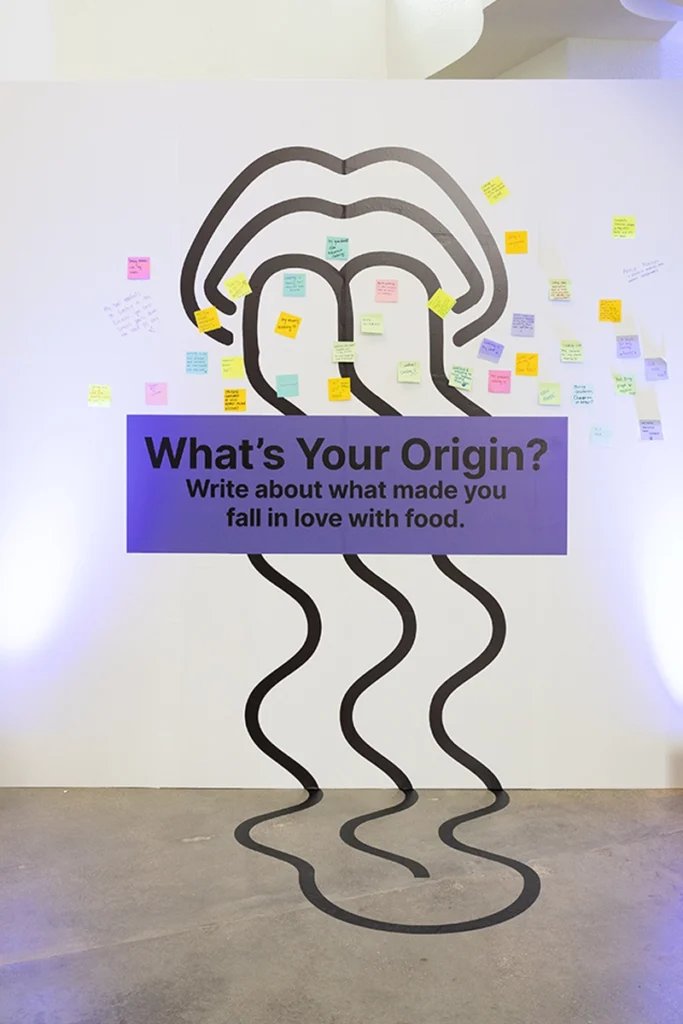
Lengua’s programming has also evolved, from broader conversations on topics such as building a food and beverage brand to explorations of singular themes, like “Origins.”
“We can spend two days exploring a single concept from multiple angles,” Barake says. He is also looking for ways to grow the culinary gathering’s scale and scope. For the 2027 edition, he’s discussing expansion beyond Miami through other formats and channels.
That momentum is important in a city whose restaurant community understands what’s at stake: not just awards and media attention, but claiming legitimacy in the food world. Van Aken, who has spent decades watching Miami reinvent itself, is heartened that the city still has new stories to tell. “I would be interested in doing a Lengua presentation that takes the audience back and then through the history that makes Miami much more than a playground for the rich and easily distracted,” he says.
Three decades ago, Van Aken and his Mango Gang were trying to convince outsiders that South Florida had a culinary identity worth taking seriously. Today, a new generation of chefs is debating what that identity should become next.
“There is this tension in Miami that comes from some restaurant owners wanting to keep selling vodka shots for $18 and others going to a farm to pick the perfect mamey because that’s what they ate growing up,” Beltran says. “I’m not saying we can’t have a good time—I love having a good time—but our jobs are hard, and sometimes we need to slow down and show love and respect for what we do and how special it is. Lengua does that.”