A West Palm Beach Exhibition of Florida’s Film History and a Documentary Making a Splash
This month's dispatch on all things Florida film and streaming.
Hello, moviegoers, and welcome back to Dollar Matinee, where we talk about all things Florida cinema. This month, let’s go back—way back—to the glory days of the state’s film industry. Hint: It’s not the 1980s and “Miami Vice,”, but once upon a time, Florida was a showbiz hotbed.
That time was during the silent-movie era, the 1910s, when newsreels and serials were the rage, and the motion picture industry had yet to consolidate a base in Southern California. Northern studios moved south to set up shop in Jacksonville— where Norman Studios pioneered the so-called “race film,” spotlighting Black casts—and Palm Beach, which became a seasonal haven for some of the period’s biggest stars, like Rudolph Valentino and Lillian Gish.
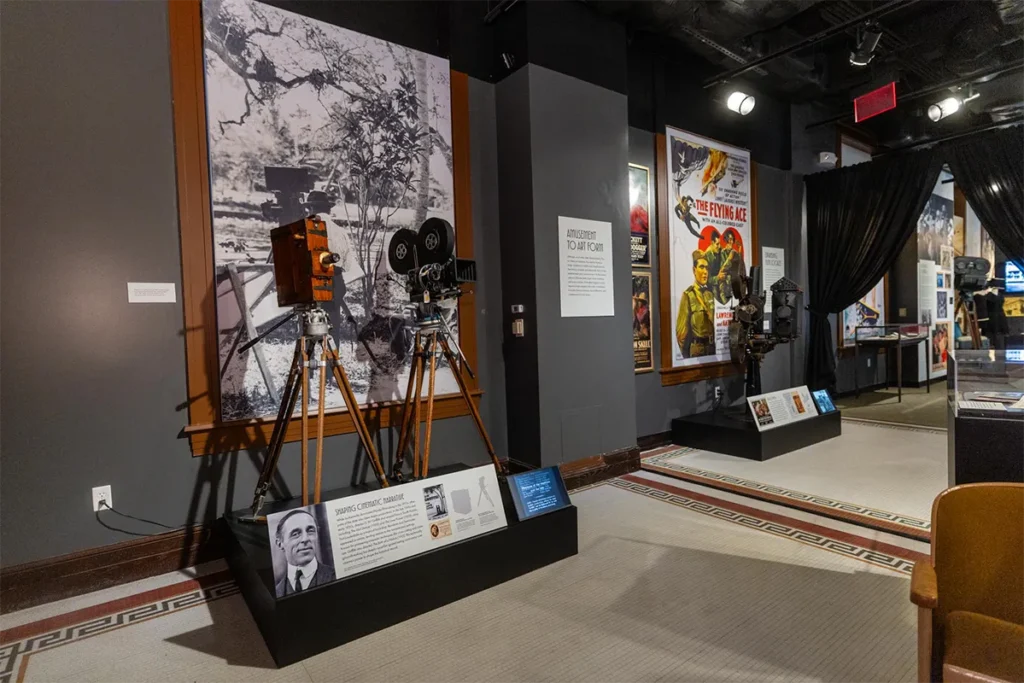
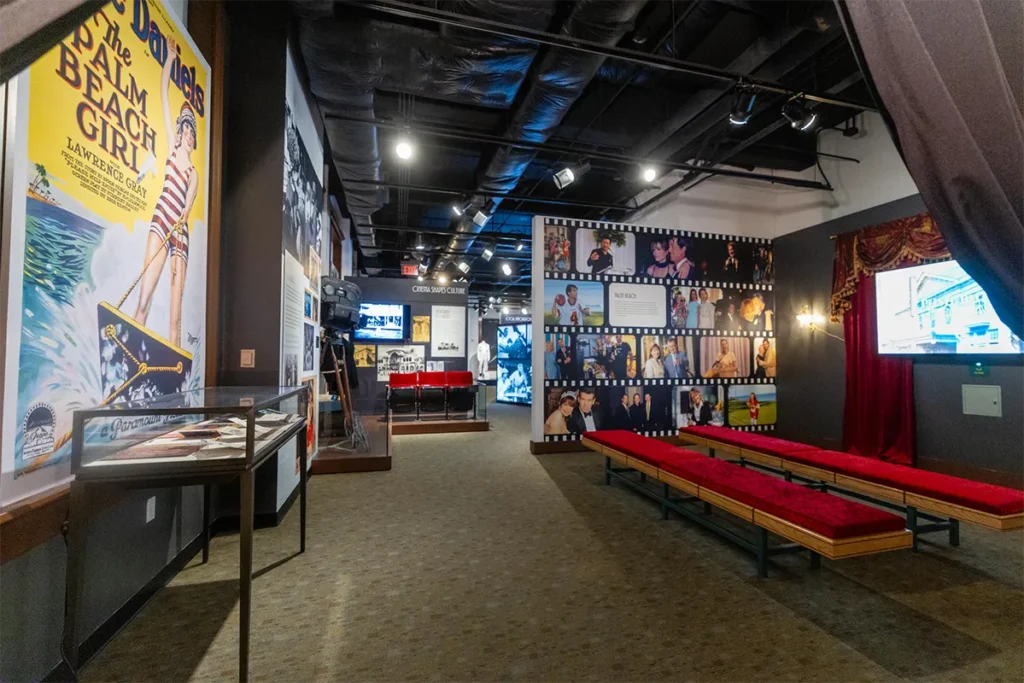
That neglected history is celebrated in a new exhibit, “Sunshine Cinema: Florida in Film,” which runs now through May 30, 2026, at the Richard and Pat Johnson Palm Beach County History Museum in West Palm Beach. The show features an array of movie artifacts drawn not only from the early years of American cinema but across decades of Florida-made productions, from “The Palm Beach Story” to “Scarface”. Yes, the museum has the garish tropical shirt Al Pacino flaunted in Brian De Palma’s remake of the classic gangster epic. There’s also an archival tribute to a favorite Sunshine State son, Burt Reynolds. The Jupiter native ran his own Florida-based movie studio, and made several films in-state, including “Smokey and the Bandit,” “Gator” and “Stick.” To plan a visit, check out pbchistory.org.
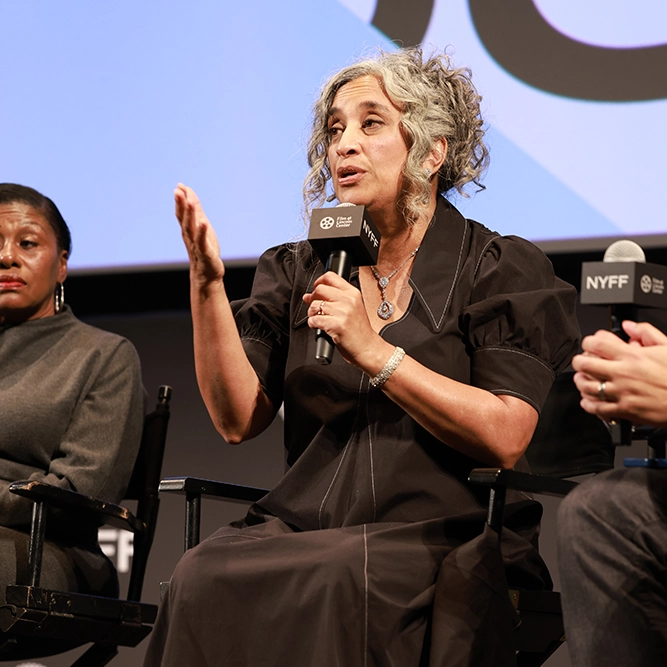
On a tragic note, Florida and its controversial “stand your ground” law is the backdrop for a new documentary that has become the second most-viewed selection on Netflix. “The Perfect Neighbor” is a harrowing account of a fatal shooting that arose from an ongoing dispute between residents of an Ocala neighborhood. The 2023 incident led to the arrest and manslaughter conviction of Susan Lorincz, an older white woman, for the killing of Ajike Owens, her unarmed Black neighbor and the mother of four children. The documentary won a directing award for filmmaker Geeta Gandbhir after its premiere at the Sundance Film Festival and is in the top tier of Academy Award nomination forecasts published by industry bibles Variety and The Hollywood Reporter.
A socially resonant part of its appeal is its found-footage composition: Most of the story is told through images captured by police body cams that document responses to 911 calls made by Lorincz, who initially comes off as a stereotypical “Karen”—the angry, paranoid, villainous character of endless TikTok and Instagram videos. That is, until the conflict—Lorincz is annoyed by the kids who play near her rented house—escalates and she becomes something else. Look out for an upcoming conversation with Gandbhir online at flamingomag.com, where we will explore the making of the film and the issues it raises.
For more of the Sunshine State on screen, click here.
About the Author
Steve, a Tallahassee native and Flamingo contributor since 2017, has written about film, music, art and other popular culture for publications including The Wall Street Journal, The Washington Post, the Atlanta-Journal Constitution, GQ, and The Los Angeles Times. He is the artistic director for the Tallahassee Film Festival and writes a monthly film newsletter for Flamingo, Dollar Matinee.